A small chocolate factory where much of the work is still done by hand, a cooperative experimenting with growing mushrooms on cocoa waste, and conversations about how producer organisations can work more closely together. For Bas Huurman, former owner of The Chocolate Family and co-founder of SEM Foundation, his recent visit to Côte d’Ivoire was an opportunity to see first-hand how different initiatives are developing and where opportunities for future collaboration lie.
Bas travelled to Côte d’Ivoire with An Ha, Managing Director of Progreso, as part of the collaboration between SEM Foundation and Progreso. SEM Foundation has been involved in initiatives in cocoa-producing countries for more than ten years. Building on the background of the family business The Chocolate Family, the foundation aims to give something back to the communities that produce cocoa. Through its collaboration with Progreso, SEM Foundation also contributes to strengthening producer organisations and developing the cocoa value chain.
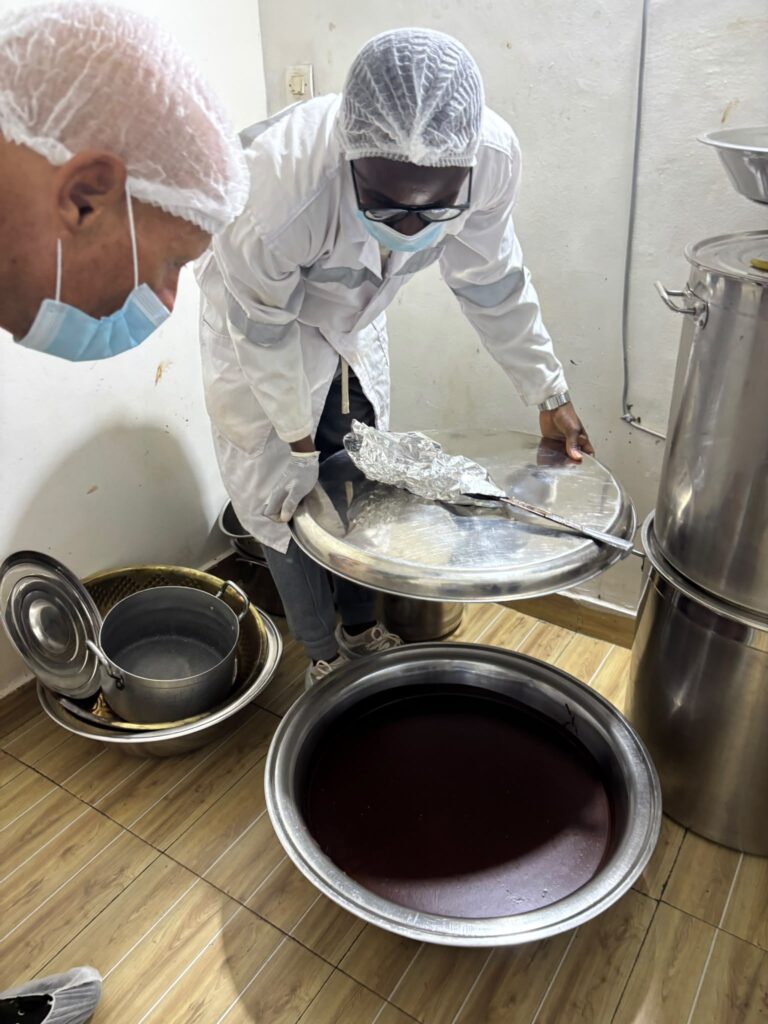
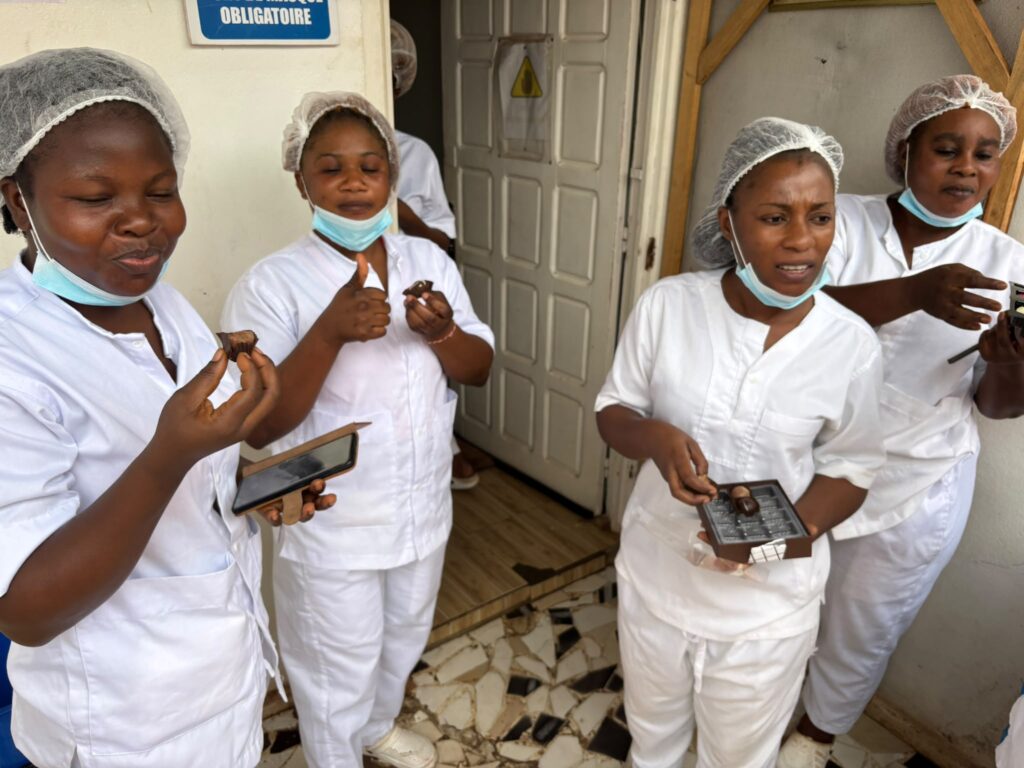
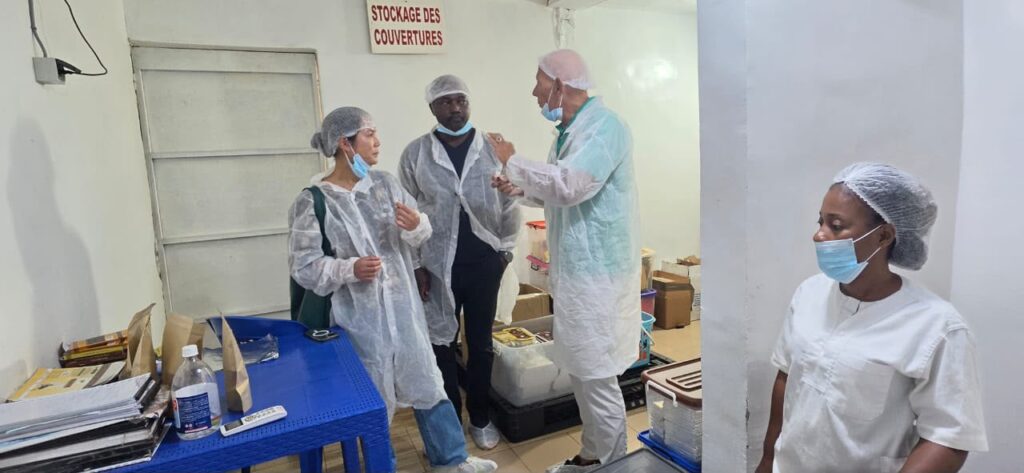
One of the visits that made the strongest impression on Bas was to Yecao, a small chocolate factory in which the cooperative CAMAYE holds a share. Located in Abengourou, the capital of the Indénié-Djuablin region in eastern Côte d’Ivoire, the factory produces organic cocoa products, semi-finished products and flavoured chocolates, including varieties with ginger, cashew, coconut and lemongrass.
Production is still in its early stages, and much of the work is carried out by hand. What impressed Bas most, however, were the people. “I really appreciated the dedication of the people and their love for the product,” he says.
He was equally struck by their curiosity. Bas had brought some chocolate products from Belgium and was surprised by the level of interest they generated. “It was as if they were a giant sponge. They couldn’t ask enough questions.” For him, this was a wonderful example of the energy and ambition he encountered throughout the visit.
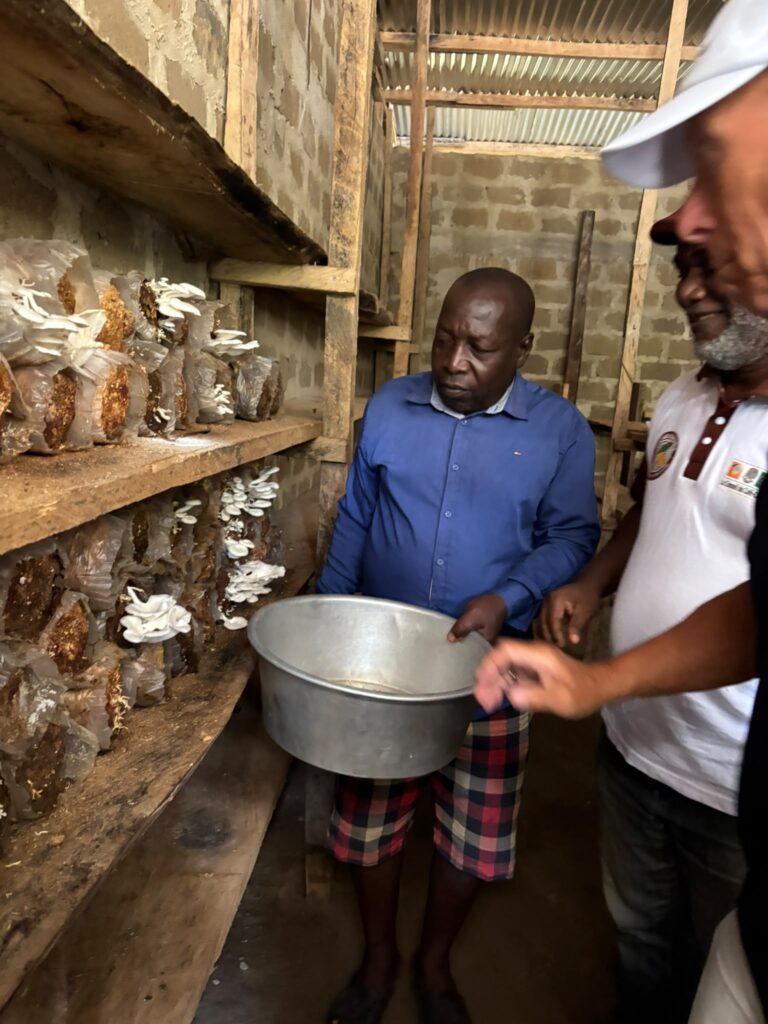
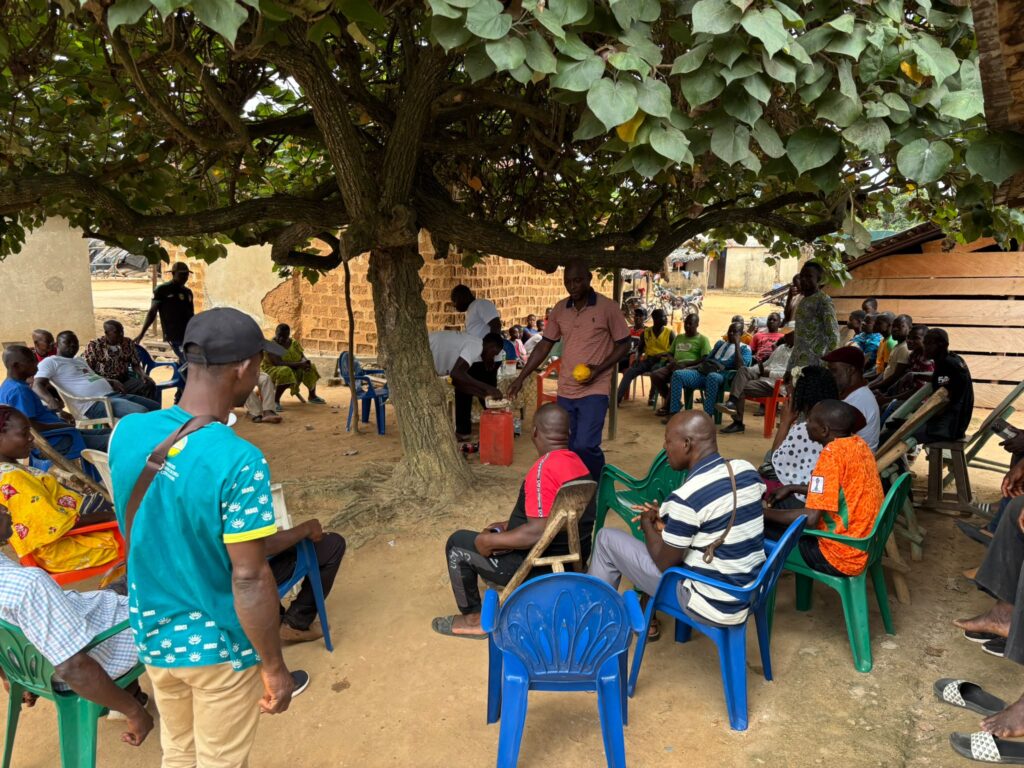
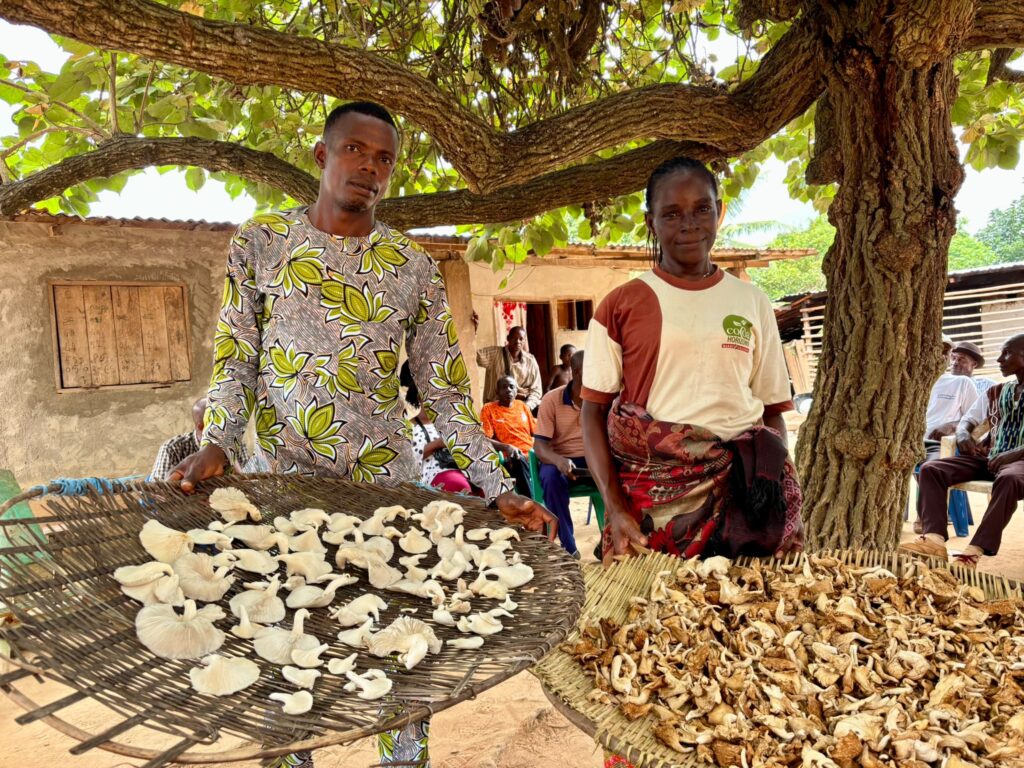
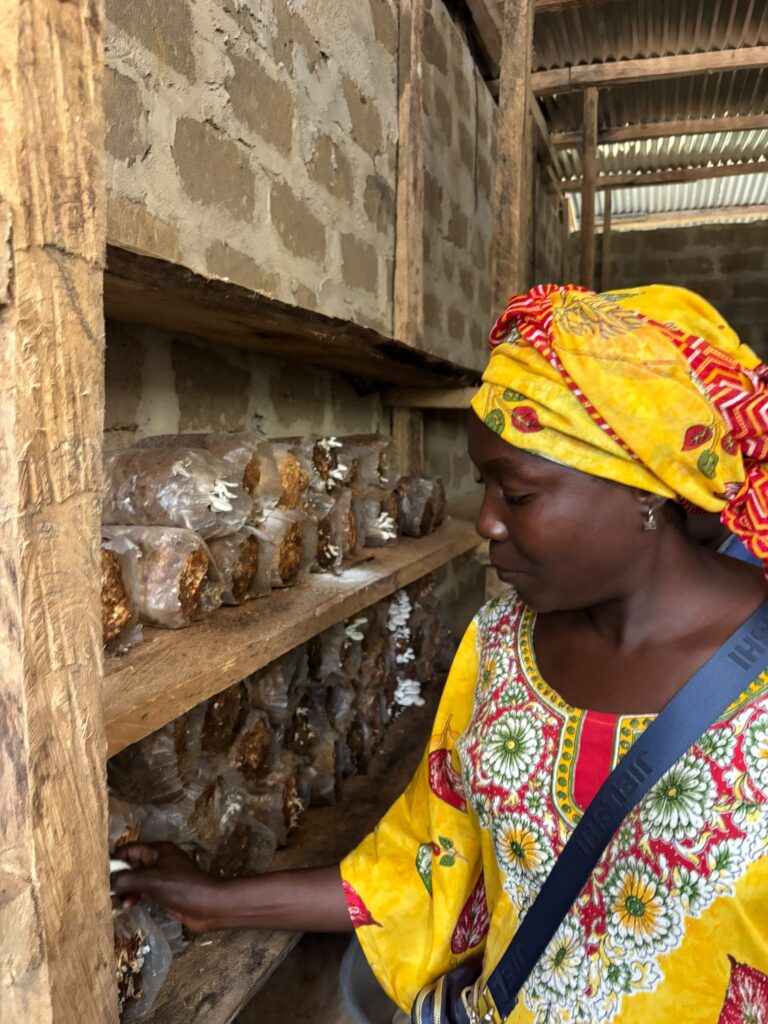
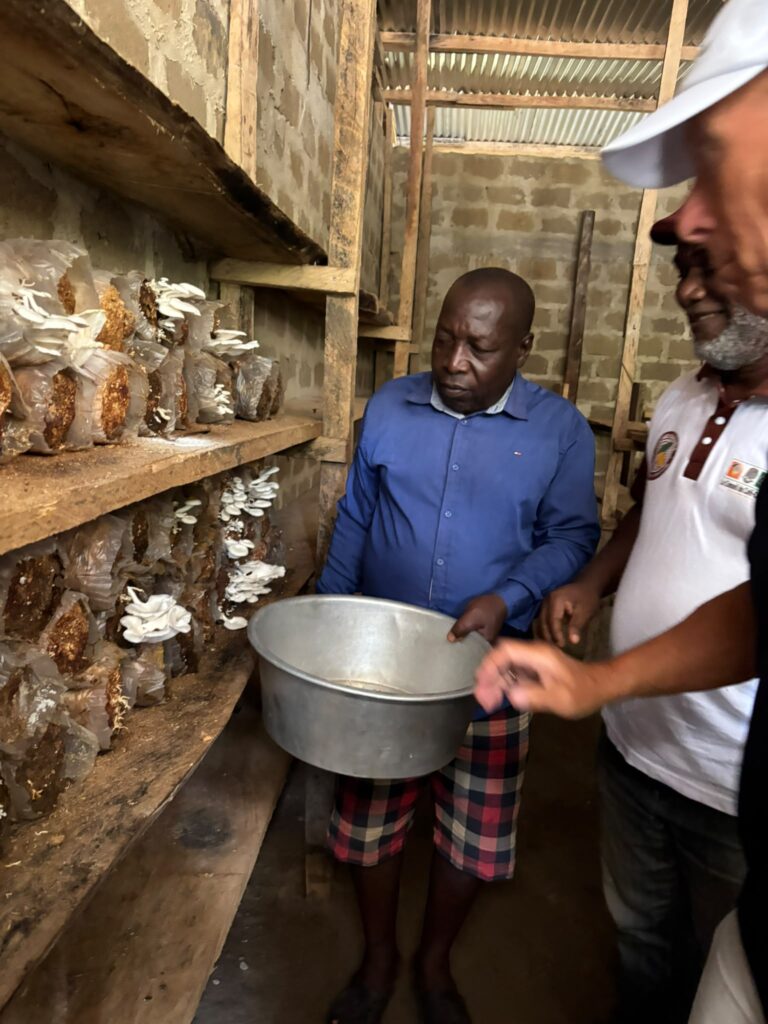
At the SCAOD cooperative in Diégonefla, Bas witnessed a different kind of innovation. There, the cooperative is experimenting with growing mushrooms using waste from cocoa production, turning a by-product into a potential additional source of income.
“I was very impressed by the way we were welcomed, but also by how grateful people were to have the opportunity to develop an additional income stream.”
According to Bas, these initiatives demonstrate that Côte d’Ivoire has opportunities beyond simply increasing cocoa production. At the same time, he sees considerable potential for better organisation and collaboration across the sector.
During his visit, a meeting had been planned with the chair of a cooperative involved in a merger process. Although the meeting could not take place due to the chair’s unexpected absence, the idea behind this collaboration remained an important part of Bas’s reflections on the visit.
Bas believes cooperatives stand to gain a great deal by seeing one another as colleagues rather than competitors. By joining forces, they could, for example, establish a joint marketing organisation and take on a more active role further along the value chain. The small chocolate factory he visited illustrates what can be achieved when producers explore ways to create more value from their own cocoa.
He also sees a role for organisations such as Progreso and SEM Foundation in making this happen. Their contribution goes beyond providing financial resources: they can bring different actors together, facilitate collaboration and help promising initiatives grow.
“It should create a ripple effect,” he says. If collaboration between cooperatives leads to better results, he believes it can inspire others to follow suit.
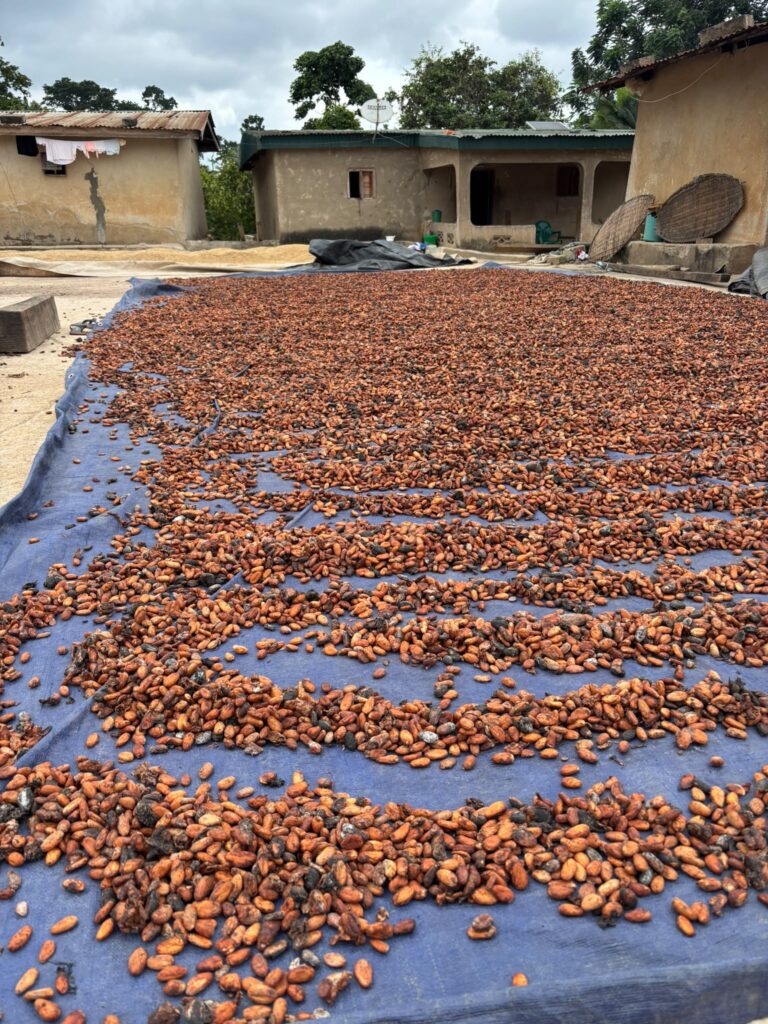
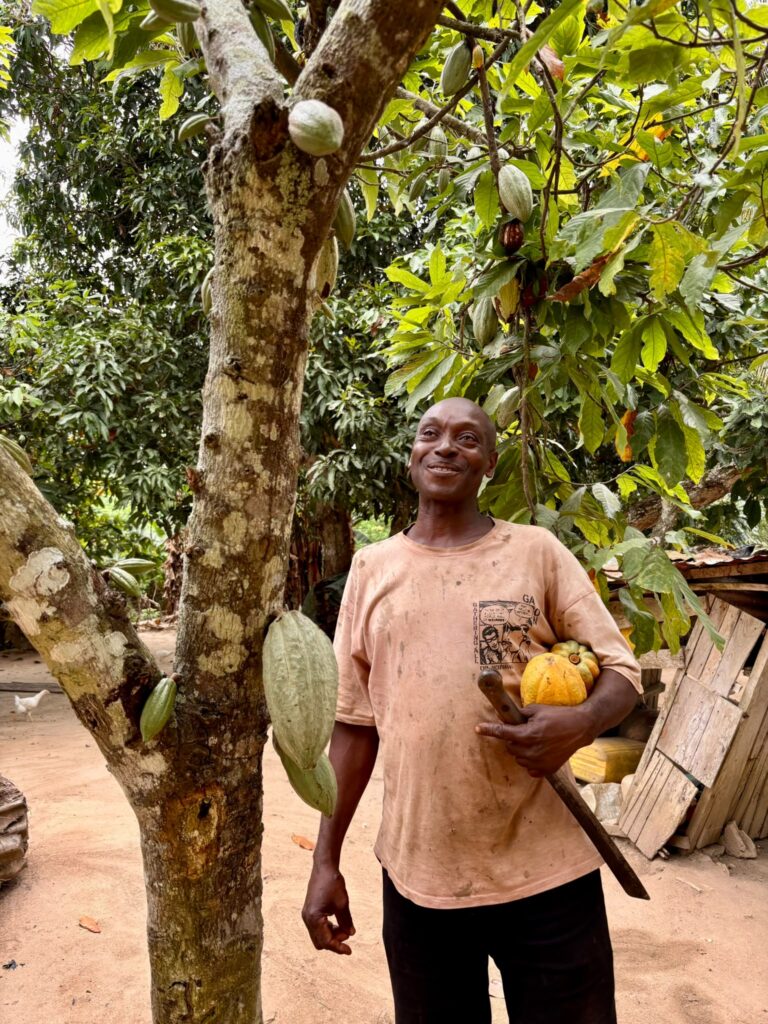
The visit reinforced Bas’s belief in the potential of Côte d’Ivoire, particularly if cooperatives work more closely together and receive stronger support to develop their businesses. It also reminded him, as a former chocolate entrepreneur, where chocolate really comes from: at the beginning of the value chain, with farming families cultivating small plots of land.
“One family has to make a living from one and a half hectares,” he explains. Families work together on their land and then bring their cocoa beans to the cooperative in large jute sacks.
For Progreso, the visit reinforced the importance of long-term collaboration with producer organisations. Building a stronger cocoa value chain requires more than financing. It also means supporting new ideas, connecting organisations and creating the space for people to experiment with new opportunities.
About SEM Foundation
SEM Foundation builds on the legacy of The Chocolate Family, supporting initiatives in cocoa-producing countries to give back to the communities behind cocoa production. Through its partnership with Progreso, the foundation helps strengthen cocoa producer organisations, encourage collaboration and support initiatives that diversify farmers’ incomes and contribute to a more resilient cocoa sector.
About Progreso Foundation
Progreso Foundation is a Dutch NGO that supports coffee and cocoa producer organisations in Africa, Latin America and Asia. By strengthening their business capacity, governance and access to finance and markets, Progreso helps cooperatives become more professional and resilient, contributing to improved livelihoods and more sustainable value chains for smallholder farmers.