For coffee and cocoa producer organisations, access to finance can open up business opportunities. But when harvests are uncertain, production is affected by climate and markets are unpredictable, financing alone is not enough. Building resilient organisations requires strong management, transparent governance and solutions that respond to farmers’ needs.
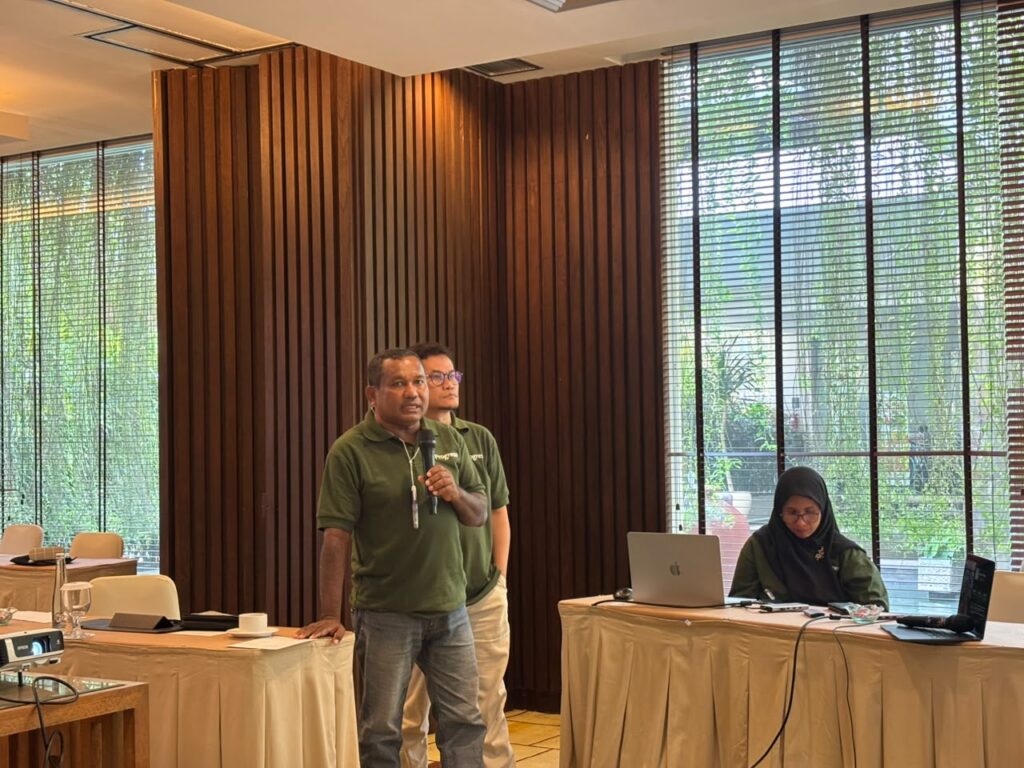
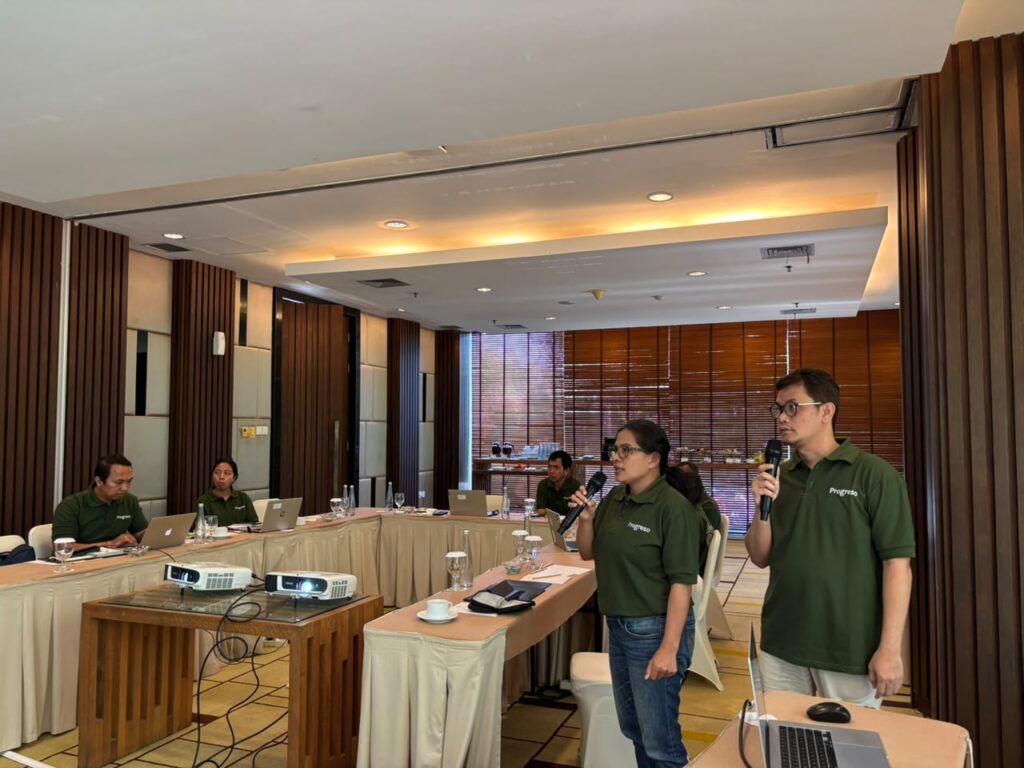
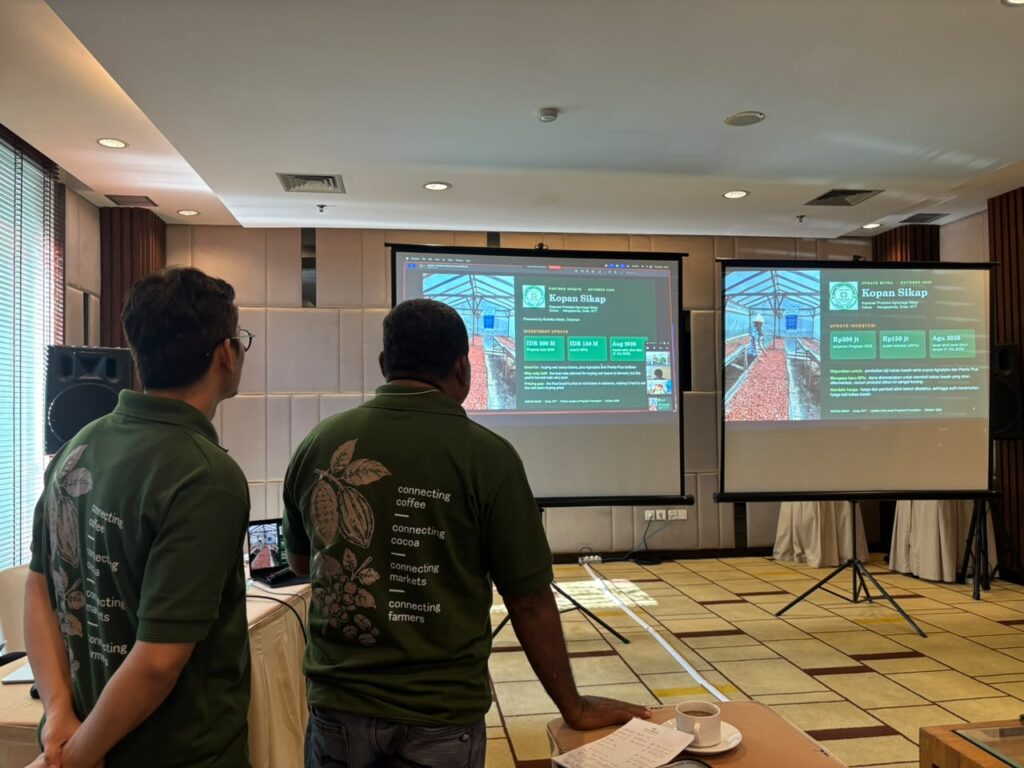
During a partner sharing session in Bali on 8 October 2026, Progreso representatives An Ha and Daan Mulder met in an online session with Indonesian coffee and cocoa partners to discuss their business progress, how they use working capital, the challenges they face and their priorities for the year ahead. The conversations offered a valuable reminder of the realities facing agricultural businesses and the importance of looking beyond financing alone.
Navigating an unpredictable growing season
For coffee and cocoa businesses, production depends on conditions that are not always within their control. For example, on the island of Flores, where the cocoa cooperative Kopan Sikap operates, production has been affected by difficult weather conditions, limited water and the impact of an earthquake. Lower harvests have made it harder for the cooperative to source the cocoa it needs to meet its business ambitions. However, the challenges have not diminished the partner’s determination to find a way forward. As one representative put it during the discussion:
“Things can change for the better, God will help, we are looking for a solution.”
This outlook reflects the importance of finding practical ways to adapt. For Kopan Sikap, priorities include improving its business planning, strengthening organisational capacity and finding ways to secure sufficient cocoa volumes while improving its readiness to reach new markets.
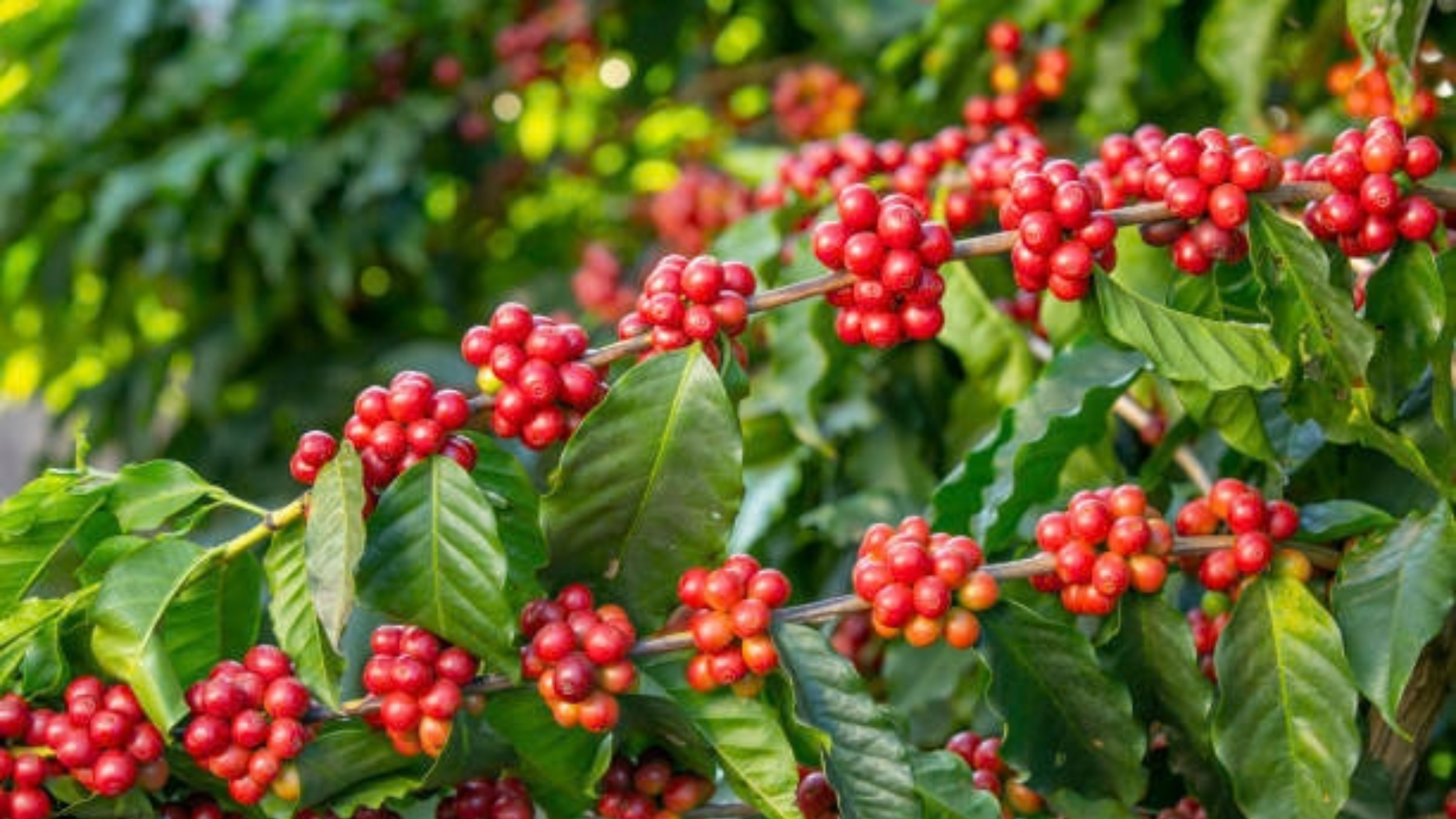
Coffee businesses face their own challenges. PT Kopi Toduri Jaya, based in Enrekang, South Sulawesi, reported that prolonged rainfall had contributed to lower coffee production, even as demand from existing and potential buyers increased. Sourcing from additional areas has been one way to respond to the supply shortfall. These experiences demonstrate how closely business performance is connected to production conditions, procurement strategies and access to markets.
Making working capital work
Working capital enables producer organisations and coffee businesses to purchase crops from farmers and cover the costs of processing and preparing products for sale. However, the amount of financing needed and how effectively it can be used depends on the realities on the ground. When harvests are smaller than expected, supply is uncertain or purchasing prices are difficult to match with selling prices, businesses may struggle to deploy their available working capital as planned.
During the sharing session, Progreso and its partners discussed the importance of aligning financing with harvest cycles, understanding market conditions and improving the information used to guide purchasing decisions. The discussion also highlighted the need to look beyond the immediate transaction. Sustainable businesses need to understand how their operations benefit farmers and how those farmers can participate in decisions that affect their organisations and livelihoods.
Strong organisations need more than finance
A key takeaway from the discussions was that financial support alone is not enough to build resilient farmer organisations. Cooperatives also need reliable financial records, transparent governance, clear responsibilities and effective purchasing systems. These foundations help organisations manage resources responsibly, make informed decisions and respond to changing circumstances. Progreso’s support therefore extends beyond financing. Its work with partners includes financial management training and coaching, governance support and assistance in strengthening organisational processes.
The recent financial workshop in Bali, for example, allowed representatives from MPT, Kopan Sikap and MAB to improve their practical use of accounting software and agree on follow-up actions. The sharing session complemented this work by creating space for partners to discuss how their businesses are performing, what support is working and where further improvements are needed.
Importantly, strong governance also means ensuring that farmers have a voice. Progreso emphasised the importance of understanding the community impact of its work and ensuring that farmers can participate in decisions about how their organisations use investments.
Looking ahead: Building resilience together
As the partners look towards 2027, their priorities reflect the interconnected nature of the challenges they face. Alongside financing, they identified needs related to financial and governance capacity, production and processing, farmer services and market access. For some, this means improving processing facilities or strengthening farmer training. For others, it means refining internal procedures, developing business plans or building connections with new buyers. The specific solutions will differ between organisations, depending on their context, business model and needs. What connects them is the importance of combining financial resources with the knowledge, systems and relationships needed to use them effectively. For Progreso, listening to partners is an important part of this process. By understanding their experiences and ambitions, the organisation can continue working with them to identify practical ways to strengthen their businesses and better serve the farmers they work with.
Building resilient coffee and cocoa businesses is not achieved through a single loan or training session. It is an ongoing process that brings together finance, organisational development, farmer participation and market opportunities, helping producer organisations navigate uncertainty and work towards a more sustainable future.