Learning, experimenting and collaborating: Lessons from a visit to Côte d’Ivoire

A small chocolate factory where much of the work is still done by hand, a cooperative experimenting with growing mushrooms on cocoa waste, and conversations about how producer organisations can work more closely together. For Bas Huurman, former owner of The Chocolate Family and co-founder of SEM Foundation, his recent visit to Côte d’Ivoire was an opportunity to see first-hand how different initiatives are developing and where opportunities for future collaboration lie.

Bas travelled to Côte d’Ivoire with An Ha, Managing Director of Progreso, as part of the collaboration between SEM Foundation and Progreso. SEM Foundation has been involved in initiatives in cocoa-producing countries for more than ten years. Building on the background of the family business The Chocolate Family, the foundation aims to give something back to the communities that produce cocoa. Through its collaboration with Progreso, SEM Foundation also contributes to strengthening producer organisations and developing the cocoa value chain.

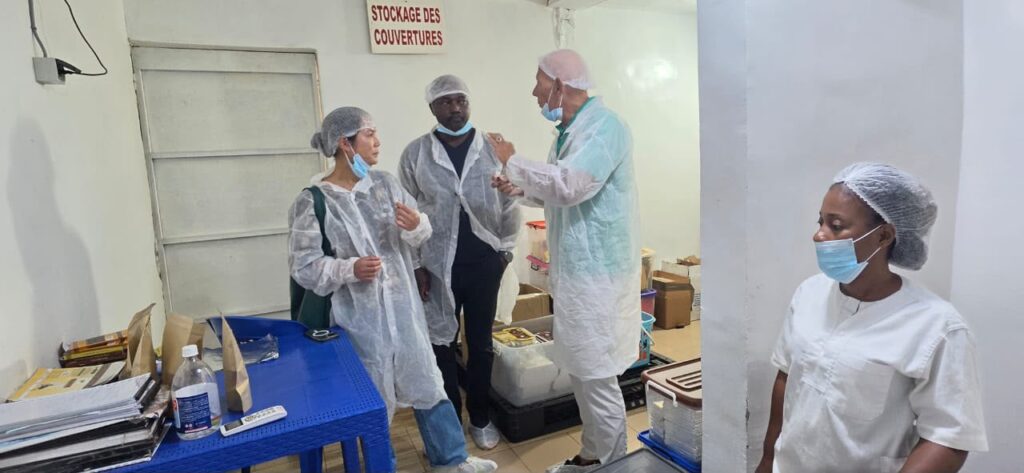
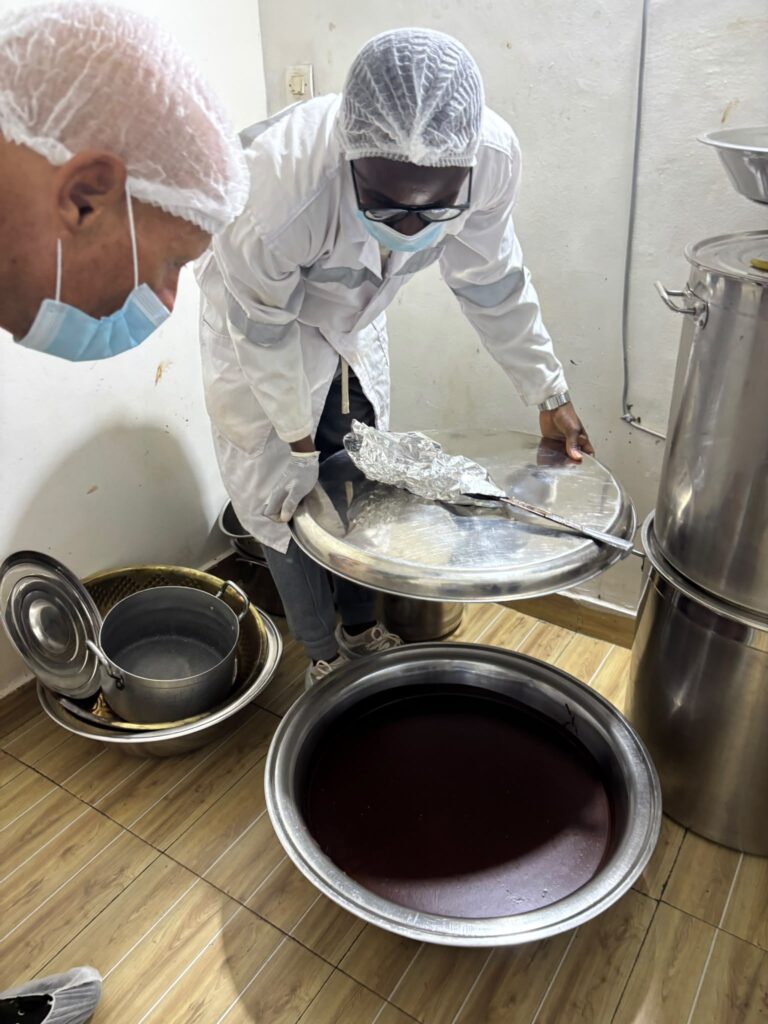
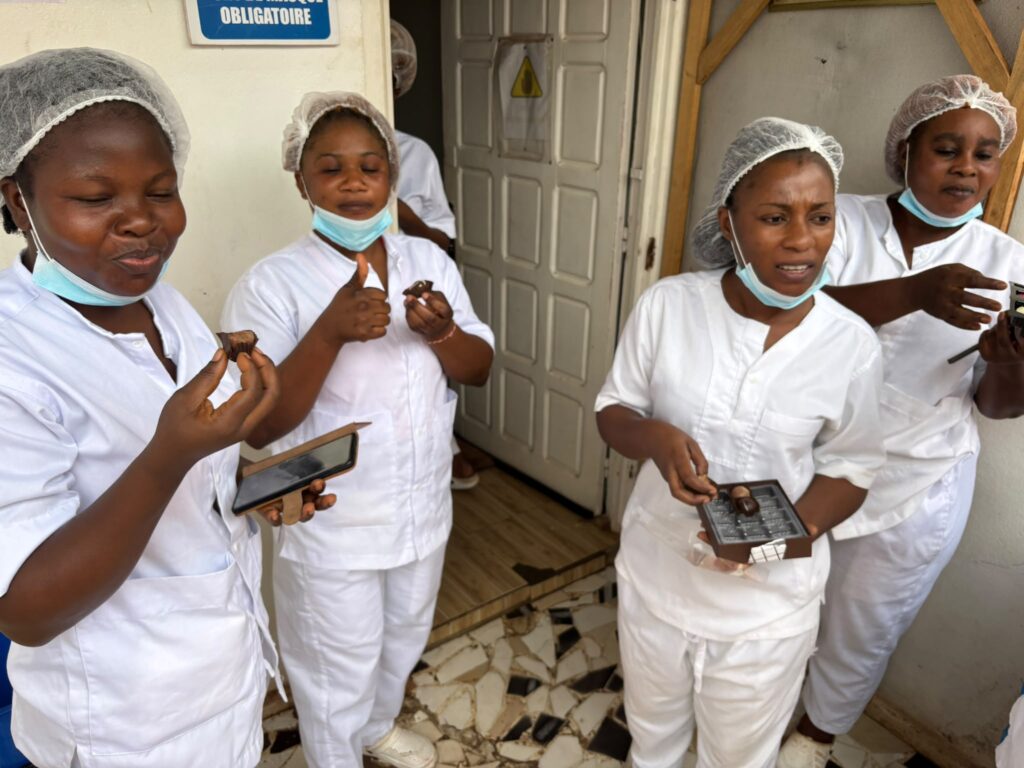
One of the visits that made the strongest impression on Bas was to Yecao, a small chocolate factory in which the cooperative CAMAYE holds a share. Located in Abengourou, the capital of the Indénié-Djuablin region in eastern Côte d’Ivoire, the factory produces organic cocoa products, semi-finished products and flavoured chocolates, including varieties with ginger, cashew, coconut and lemongrass.

Production is still in its early stages, and much of the work is carried out by hand. What impressed Bas most, however, were the people. “I really appreciated the dedication of the people and their love for the product,” he says.

He was equally struck by their curiosity. Bas had brought some chocolate products from Belgium and was surprised by the level of interest they generated. “It was as if they were a giant sponge. They couldn’t ask enough questions.” For him, this was a wonderful example of the energy and ambition he encountered throughout the visit.
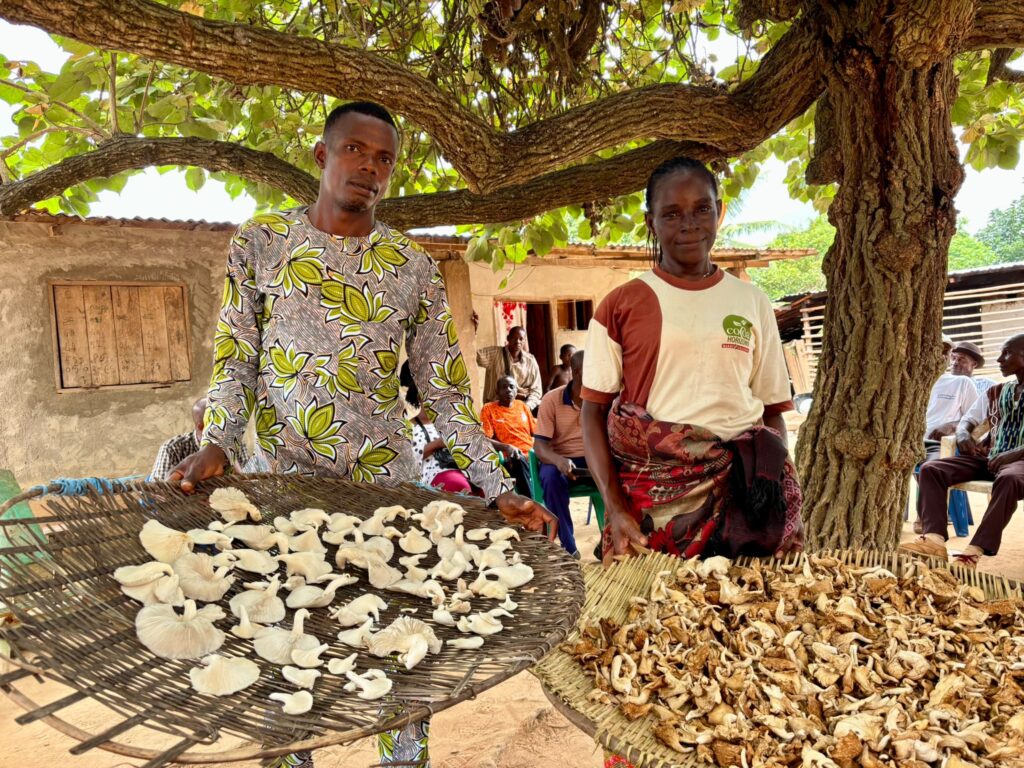
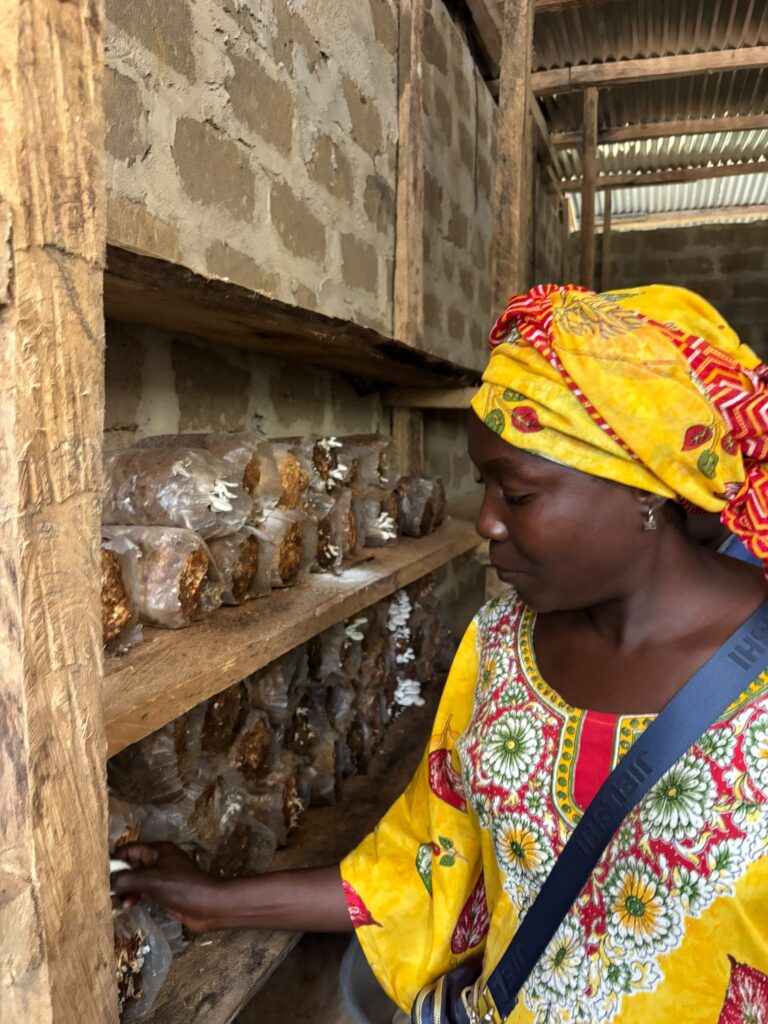
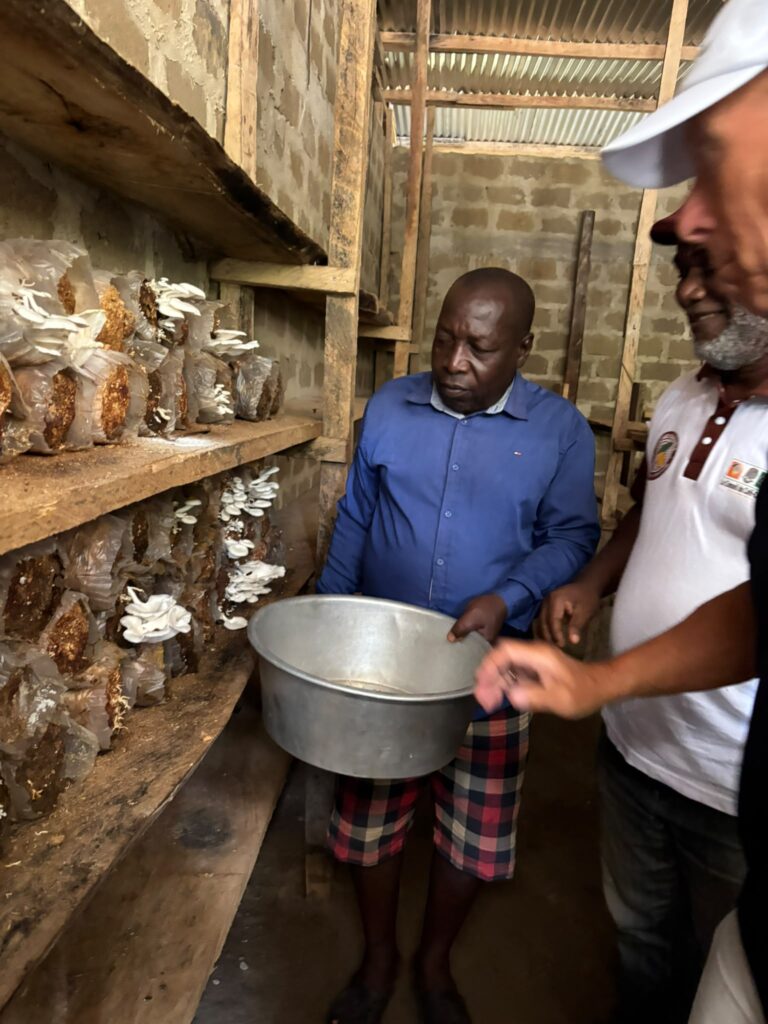
At the SCAOD cooperative in Diégonefla, Bas witnessed a different kind of innovation. There, the cooperative is experimenting with growing mushrooms using waste from cocoa production, turning a by-product into a potential additional source of income.

“I was very impressed by the way we were welcomed, but also by how grateful people were to have the opportunity to develop an additional income stream.”

According to Bas, these initiatives demonstrate that Côte d’Ivoire has opportunities beyond simply increasing cocoa production. At the same time, he sees considerable potential for better organisation and collaboration across the sector.
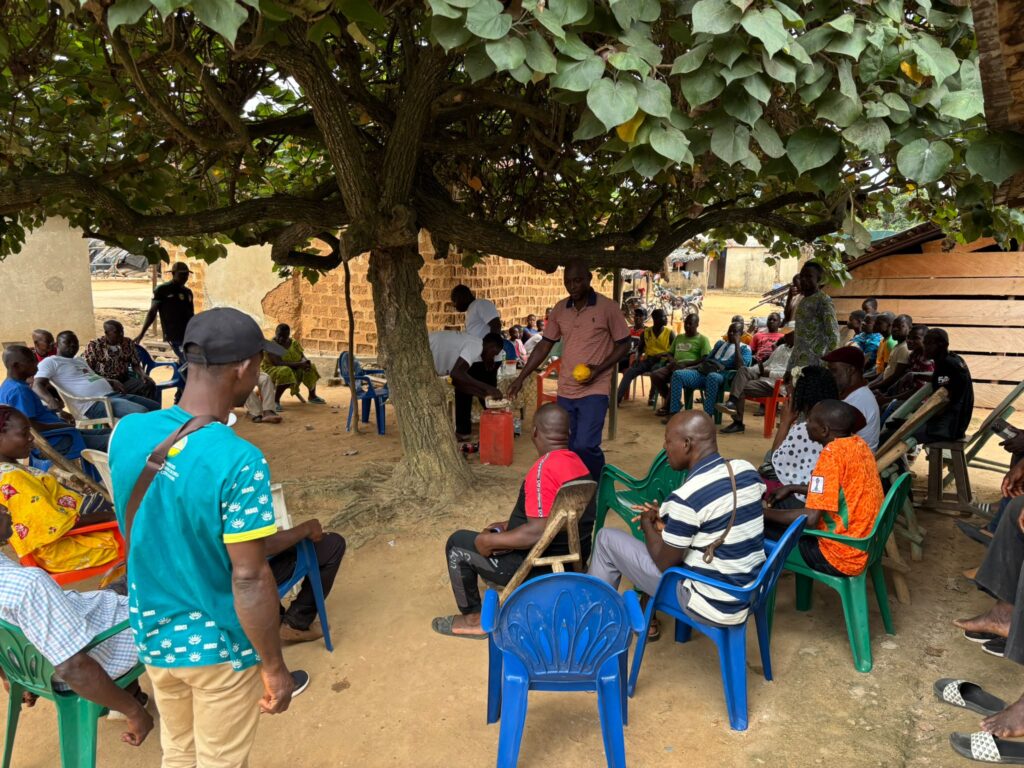
During his visit, a meeting had been planned with the chair of a cooperative involved in a merger process. Although the meeting could not take place due to the chair’s unexpected absence, the idea behind this collaboration remained an important part of Bas’s reflections on the visit.

Bas believes cooperatives stand to gain a great deal by seeing one another as colleagues rather than competitors. By joining forces, they could, for example, establish a joint marketing organisation and take on a more active role further along the value chain. The small chocolate factory he visited illustrates what can be achieved when producers explore ways to create more value from their own cocoa.

He also sees a role for organisations such as Progreso and SEM Foundation in making this happen. Their contribution goes beyond providing financial resources: they can bring different actors together, facilitate collaboration and help promising initiatives grow.

“It should create a ripple effect,” he says. If collaboration between cooperatives leads to better results, he believes it can inspire others to follow suit.

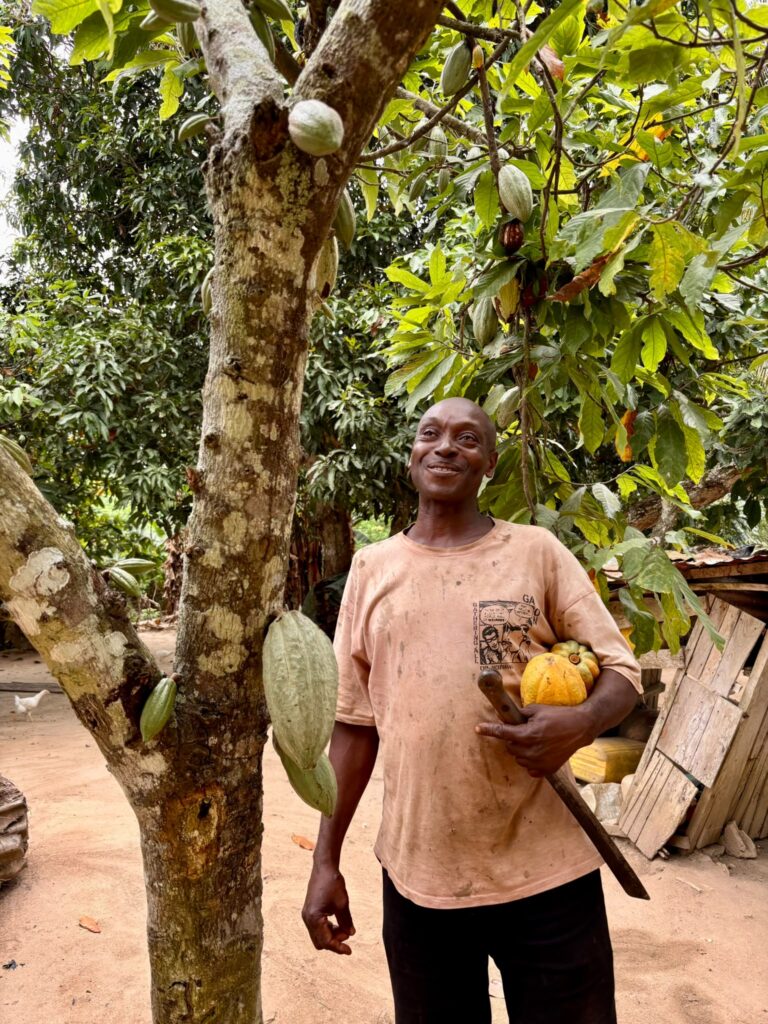
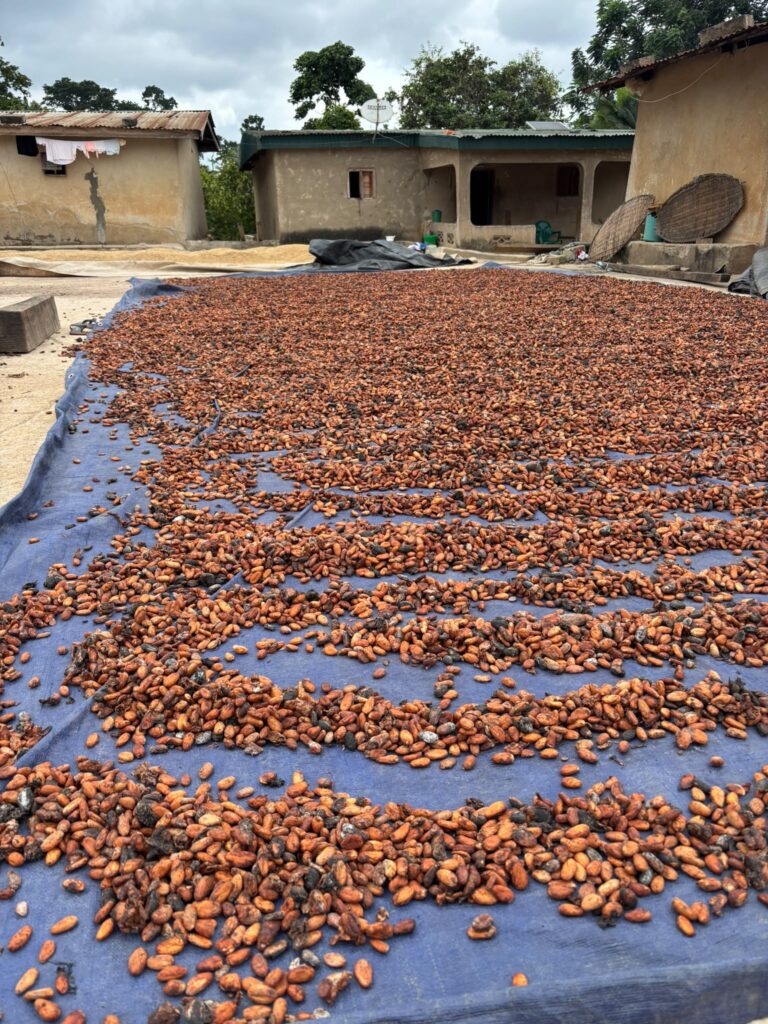
The visit reinforced Bas’s belief in the potential of Côte d’Ivoire, particularly if cooperatives work more closely together and receive stronger support to develop their businesses. It also reminded him, as a former chocolate entrepreneur, where chocolate really comes from: at the beginning of the value chain, with farming families cultivating small plots of land.

“One family has to make a living from one and a half hectares,” he explains. Families work together on their land and then bring their cocoa beans to the cooperative in large jute sacks.

For Progreso, the visit reinforced the importance of long-term collaboration with producer organisations. Building a stronger cocoa value chain requires more than financing. It also means supporting new ideas, connecting organisations and creating the space for people to experiment with new opportunities.
About SEM Foundation

SEM Foundation builds on the legacy of The Chocolate Family, supporting initiatives in cocoa-producing countries to give back to the communities behind cocoa production. Through its partnership with Progreso, the foundation helps strengthen cocoa producer organisations, encourage collaboration and support initiatives that diversify farmers’ incomes and contribute to a more resilient cocoa sector.

About Progreso Foundation

Progreso Foundation is a Dutch NGO that supports coffee and cocoa producer organisations in Africa, Latin America and Asia. By strengthening their business capacity, governance and access to finance and markets, Progreso helps cooperatives become more professional and resilient, contributing to improved livelihoods and more sustainable value chains for smallholder farmers.

Beyond working capital: Building resilient coffee and cocoa businesses in Indonesia

For coffee and cocoa producer organisations, access to finance can open up business opportunities. But when harvests are uncertain, production is affected by climate and markets are unpredictable, financing alone is not enough. Building resilient organisations requires strong management, transparent governance and solutions that respond to farmers’ needs.

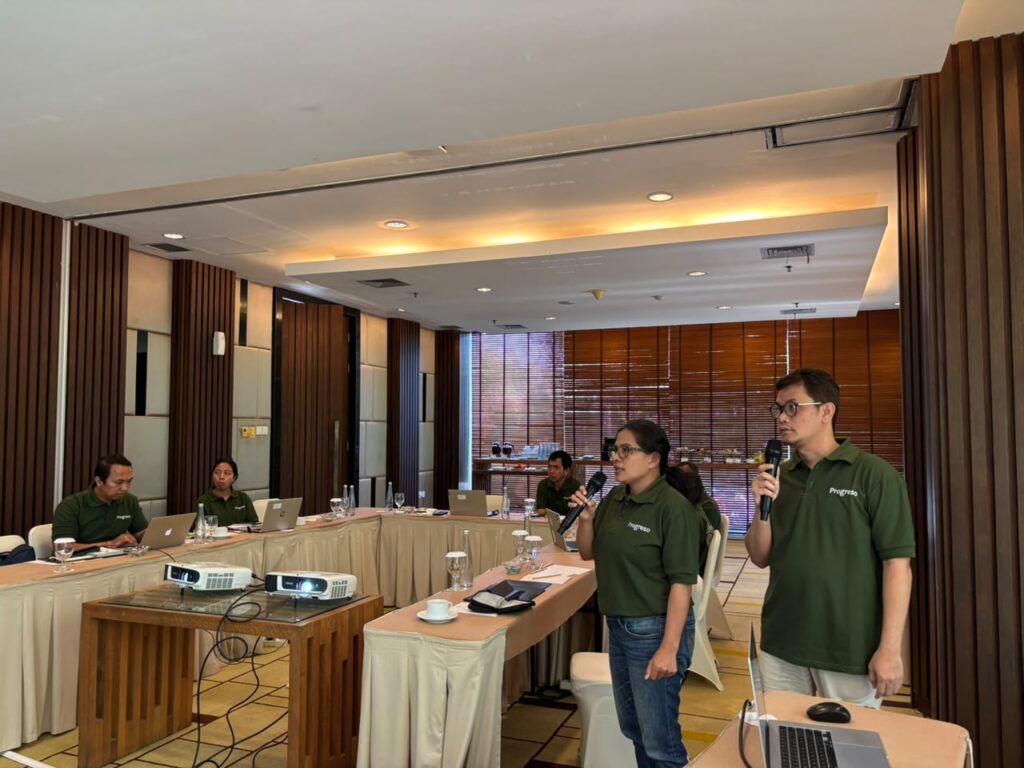
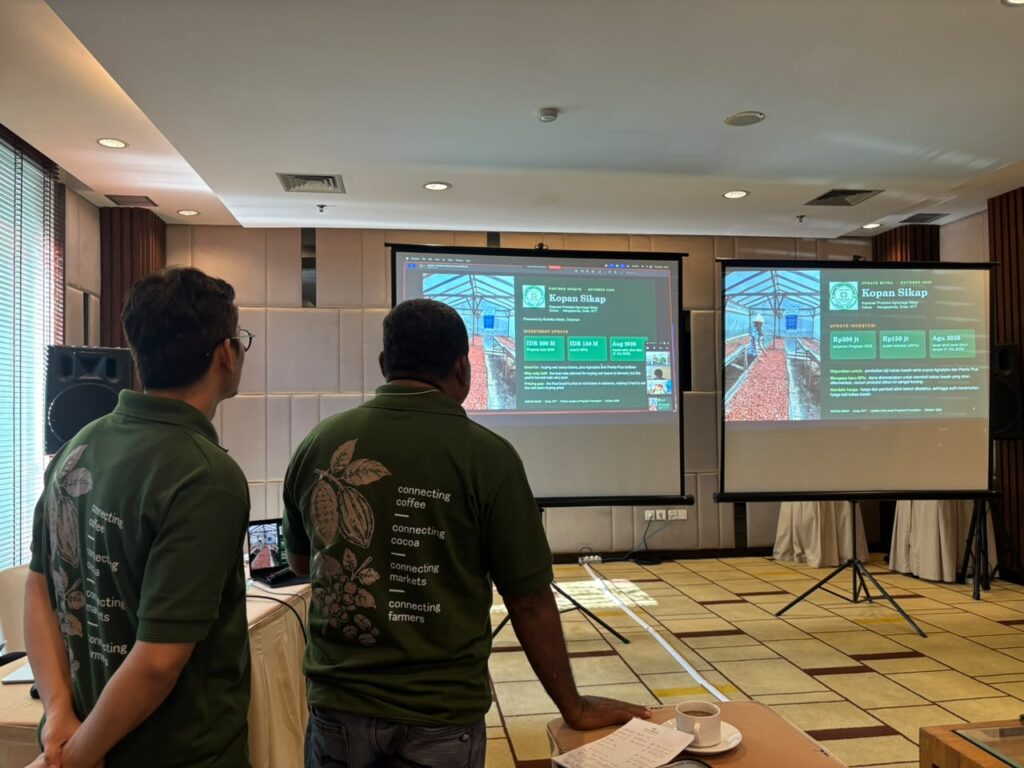
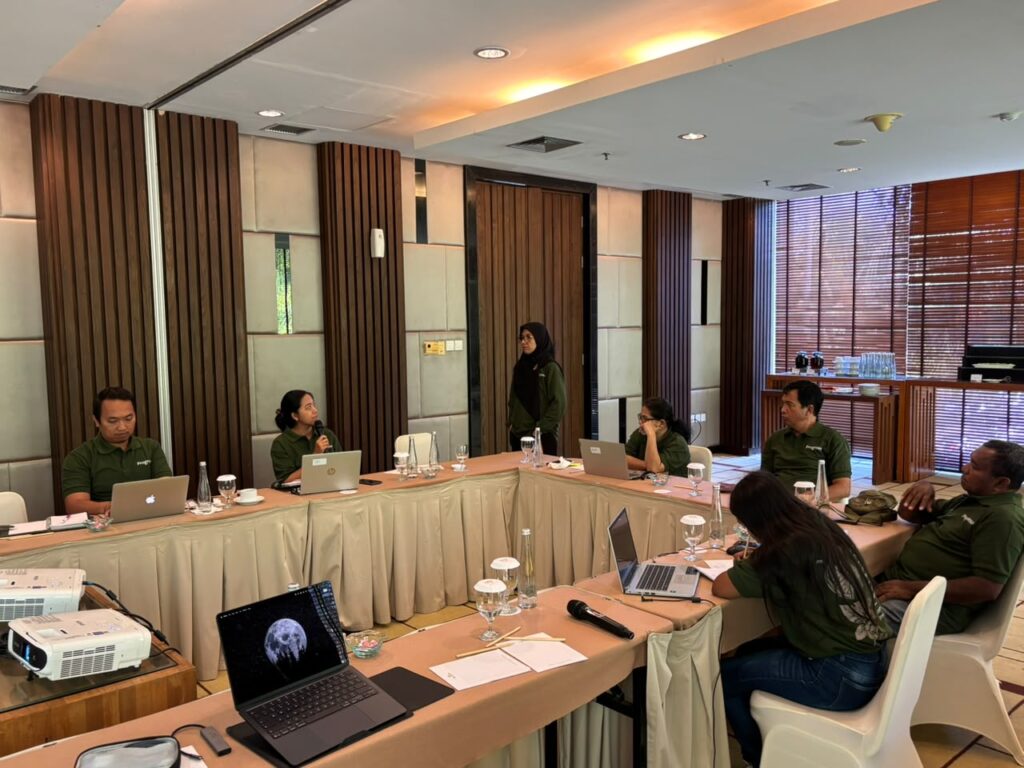
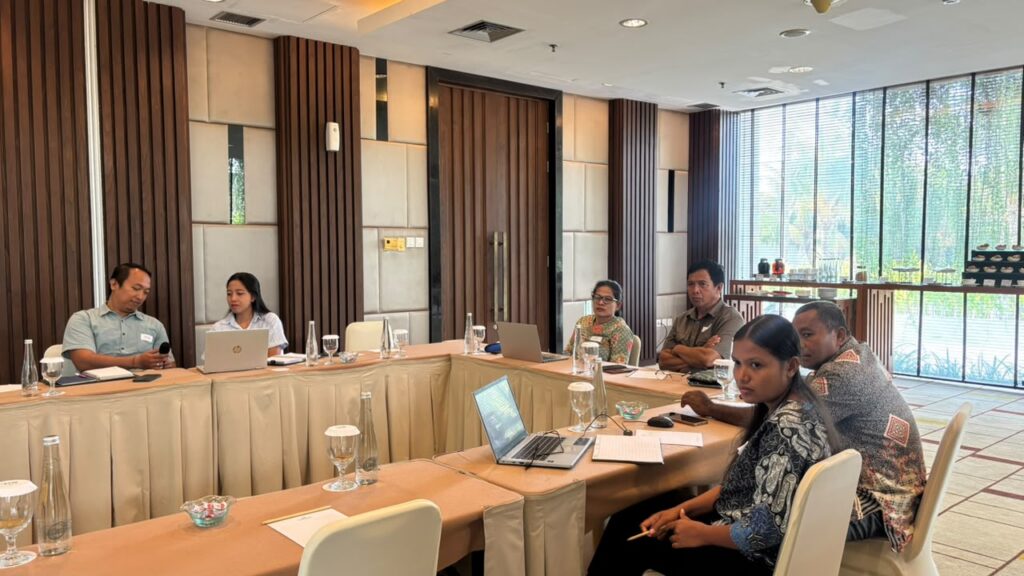
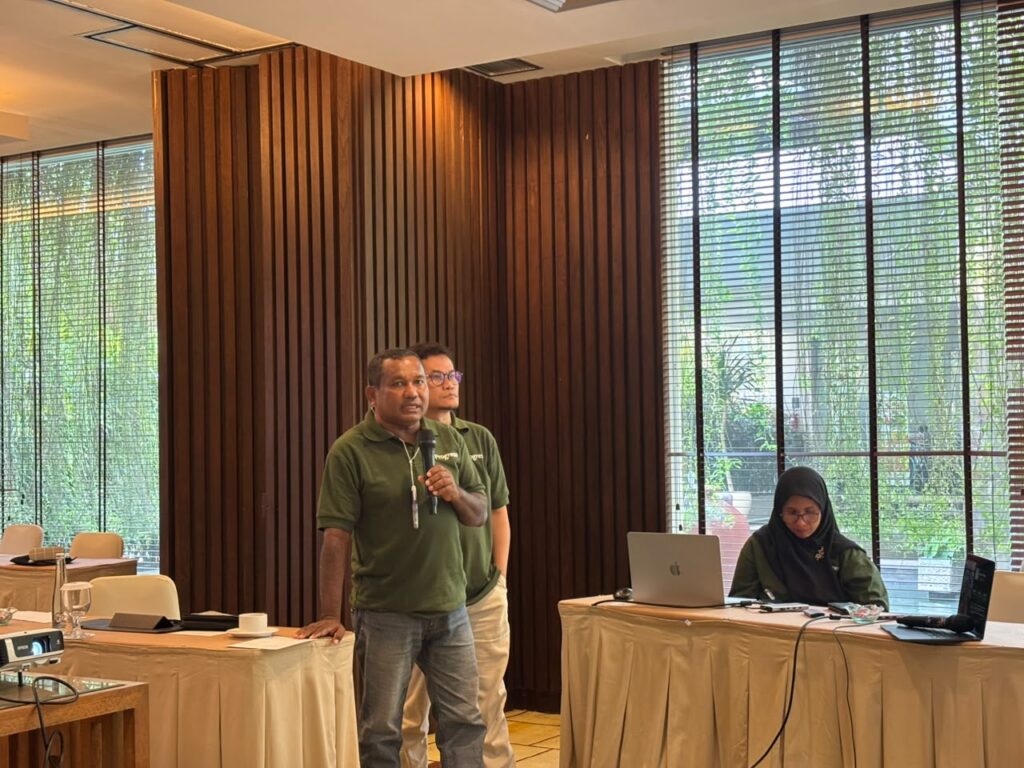
During a partner sharing session in Bali on 8 October 2026, Progreso representatives An Ha and Daan Mulder met in an online session with Indonesian coffee and cocoa partners to discuss their business progress, how they use working capital, the challenges they face and their priorities for the year ahead. The conversations offered a valuable reminder of the realities facing agricultural businesses and the importance of looking beyond financing alone.

Navigating an unpredictable growing season

For coffee and cocoa businesses, production depends on conditions that are not always within their control. For example, on the island of Flores, where the cocoa cooperative Kopan Sikap operates, production has been affected by difficult weather conditions, limited water and the impact of an earthquake. Lower harvests have made it harder for the cooperative to source the cocoa it needs to meet its business ambitions. However, the challenges have not diminished the partner’s determination to find a way forward. As one representative put it during the discussion:

“Things can change for the better, God will help, we are looking for a solution.”

This outlook reflects the importance of finding practical ways to adapt. For Kopan Sikap, priorities include improving its business planning, strengthening organisational capacity and finding ways to secure sufficient cocoa volumes while improving its readiness to reach new markets.

Coffee businesses face their own challenges. PT Kopi Toduri Jaya, based in Enrekang, South Sulawesi, reported that prolonged rainfall had contributed to lower coffee production, even as demand from existing and potential buyers increased. Sourcing from additional areas has been one way to respond to the supply shortfall. These experiences demonstrate how closely business performance is connected to production conditions, procurement strategies and access to markets.

Making working capital work

Working capital enables producer organisations and coffee businesses to purchase crops from farmers and cover the costs of processing and preparing products for sale. However, the amount of financing needed and how effectively it can be used depends on the realities on the ground. When harvests are smaller than expected, supply is uncertain or purchasing prices are difficult to match with selling prices, businesses may struggle to deploy their available working capital as planned.

During the sharing session, Progreso and its partners discussed the importance of aligning financing with harvest cycles, understanding market conditions and improving the information used to guide purchasing decisions. The discussion also highlighted the need to look beyond the immediate transaction. Sustainable businesses need to understand how their operations benefit farmers and how those farmers can participate in decisions that affect their organisations and livelihoods.

Strong organisations need more than finance

A key takeaway from the discussions was that financial support alone is not enough to build resilient farmer organisations. Cooperatives also need reliable financial records, transparent governance, clear responsibilities and effective purchasing systems. These foundations help organisations manage resources responsibly, make informed decisions and respond to changing circumstances. Progreso’s support therefore extends beyond financing. Its work with partners includes financial management training and coaching, governance support and assistance in strengthening organisational processes.

The recent financial workshop in Bali, for example, allowed representatives from MPT, Kopan Sikap and MAB to improve their practical use of accounting software and agree on follow-up actions. The sharing session complemented this work by creating space for partners to discuss how their businesses are performing, what support is working and where further improvements are needed.

Importantly, strong governance also means ensuring that farmers have a voice. Progreso emphasised the importance of understanding the community impact of its work and ensuring that farmers can participate in decisions about how their organisations use investments.

Looking ahead: Building resilience together

As the partners look towards 2027, their priorities reflect the interconnected nature of the challenges they face. Alongside financing, they identified needs related to financial and governance capacity, production and processing, farmer services and market access. For some, this means improving processing facilities or strengthening farmer training. For others, it means refining internal procedures, developing business plans or building connections with new buyers. The specific solutions will differ between organisations, depending on their context, business model and needs. What connects them is the importance of combining financial resources with the knowledge, systems and relationships needed to use them effectively. For Progreso, listening to partners is an important part of this process. By understanding their experiences and ambitions, the organisation can continue working with them to identify practical ways to strengthen their businesses and better serve the farmers they work with.

Building resilient coffee and cocoa businesses is not achieved through a single loan or training session. It is an ongoing process that brings together finance, organisational development, farmer participation and market opportunities, helping producer organisations navigate uncertainty and work towards a more sustainable future.

Stronger financial management, stronger cooperatives: Learning together in Indonesia

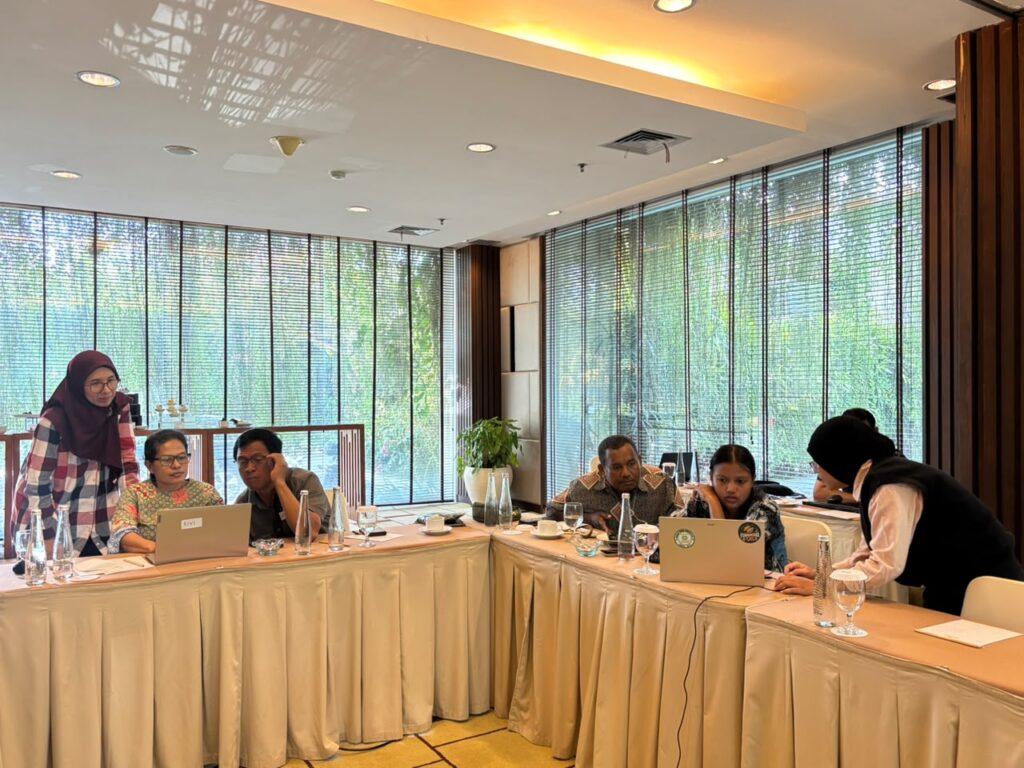
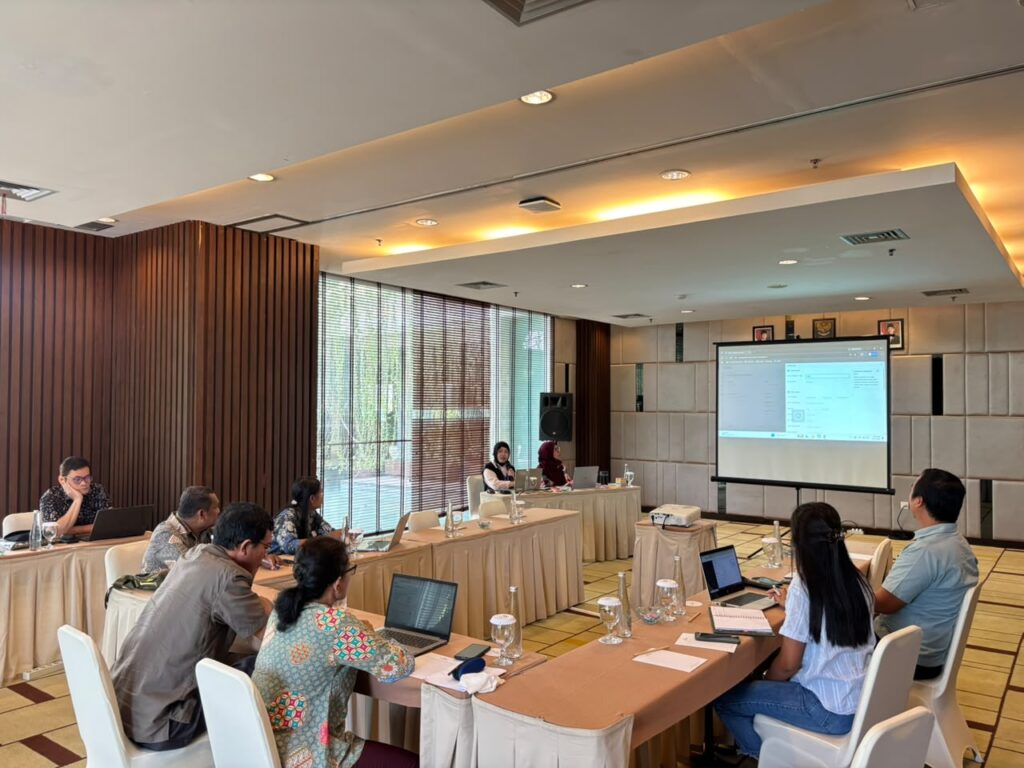
For coffee and cocoa producer organisations, good financial management is about more than keeping accurate records. It helps organisations understand their costs, manage purchases and inventory, and make informed decisions about their businesses. To support its Indonesian partners in strengthening these foundations, our Progreso team in Indonesia organised a two-day financial workshop in Bali on 7–8 October 2026, bringing together representatives from three producer organisations:

  • MPT (Koperasi Serba Usaha Mitra Petani Toraja), located in South Sulawesi and a dedicated Arabica coffee cooperative
  • Kopan Sikap (Koperasi Produsen Agro Niaga Asosiasi Petani Kakao Nangapenda, located in Flores, East Nusa Tenggara, with a primary focus on cocoa production
  • MAB (Koperasi Manik Amerta Buana), located in Tabanan, Bali, and also primarily focusing on fermented cocoa beans.

Turning accounting software into a practical tool

The workshop focused on improving participants’ day-to-day use of Jurnal ID, the accounting software used by the organisations. Working alongside software specialist Rizka Yuanita and the Progreso Indonesia team, participants practised recording purchases and sales, managing inventory movements and using financial reports and dashboards. The sessions combined practical exercises with opportunities to revisit topics that participants found challenging. Some outstanding issues relating to purchasing, sales and inventory records were also resolved during the workshop. An important lesson was the value of recording transactions in real time. Keeping financial information up to date helps organisations maintain more reliable records, avoid data loss and better understand their costs.

Building confidence through practice

The workshop also highlighted the importance of ongoing support. While participants worked through practical examples, they identified areas requiring further attention and agreed on follow-up actions tailored to their organisations. These included improving inventory records, reconciling financial information and strengthening internal controls by ensuring that staff understand their roles and how to use the accounting system. For Progreso, this underlines the importance of combining technical training with continued guidance, so that new knowledge can become part of everyday business practice.

Beyond the numbers

Reliable financial information provides a foundation for stronger organisational management. It can help cooperatives make better-informed purchasing decisions, monitor their operations and plan for future needs. However, financial systems are only one part of the picture. Strong organisations also need transparent governance, clear responsibilities and services that respond to farmers’ needs. By combining practical financial training with continued coaching and organisational support, Progreso aims to help its Indonesian partners strengthen the systems they need to manage their businesses and serve their members more effectively. The workshop in Bali was one step in that ongoing process, with follow-up actions agreed to help participants put their learning into practice.