


What does it take to build a stronger cooperative? For coffee and cocoa producers in Indonesia, it starts with a shared vision, clear priorities and a practical plan.
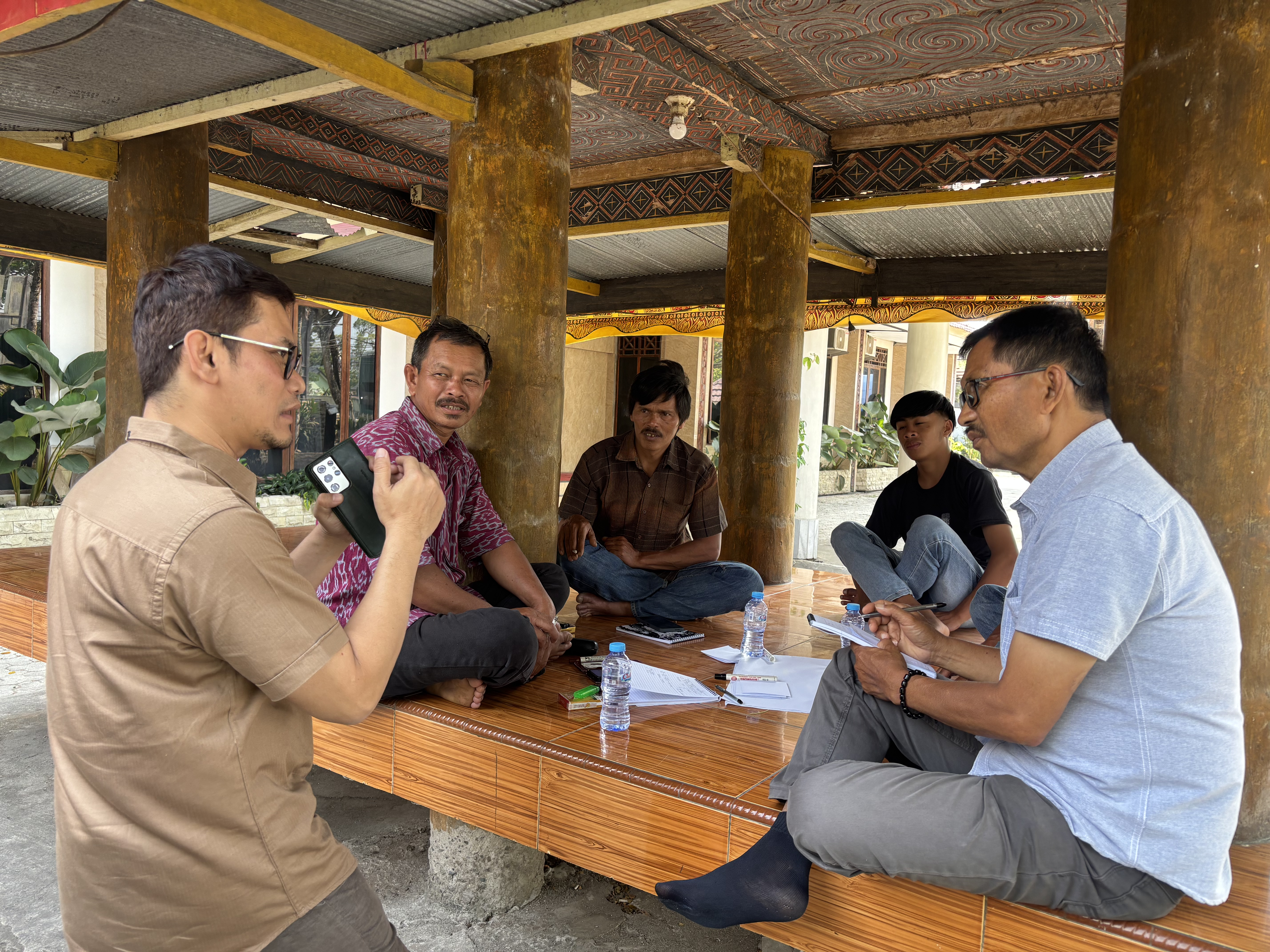
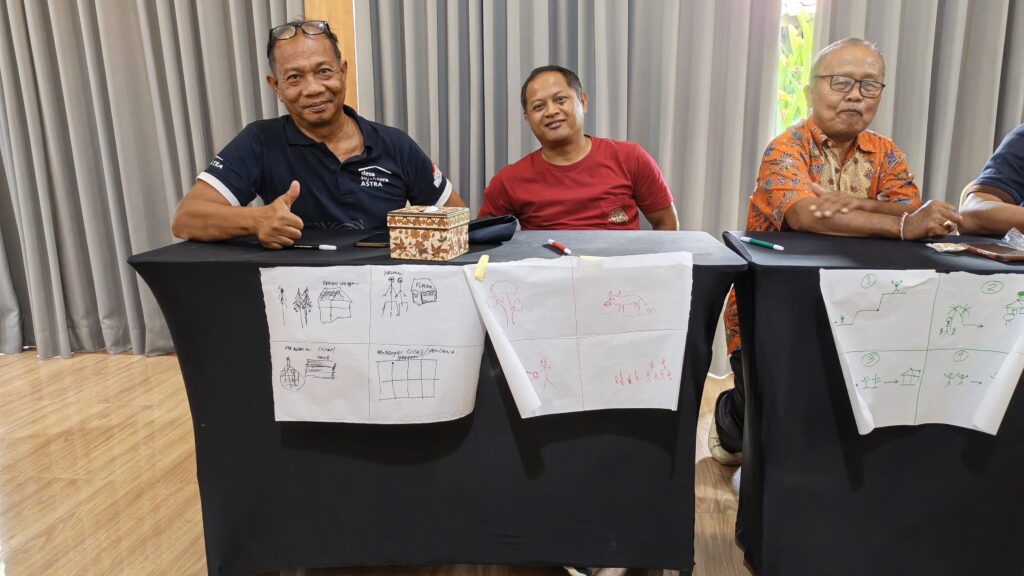
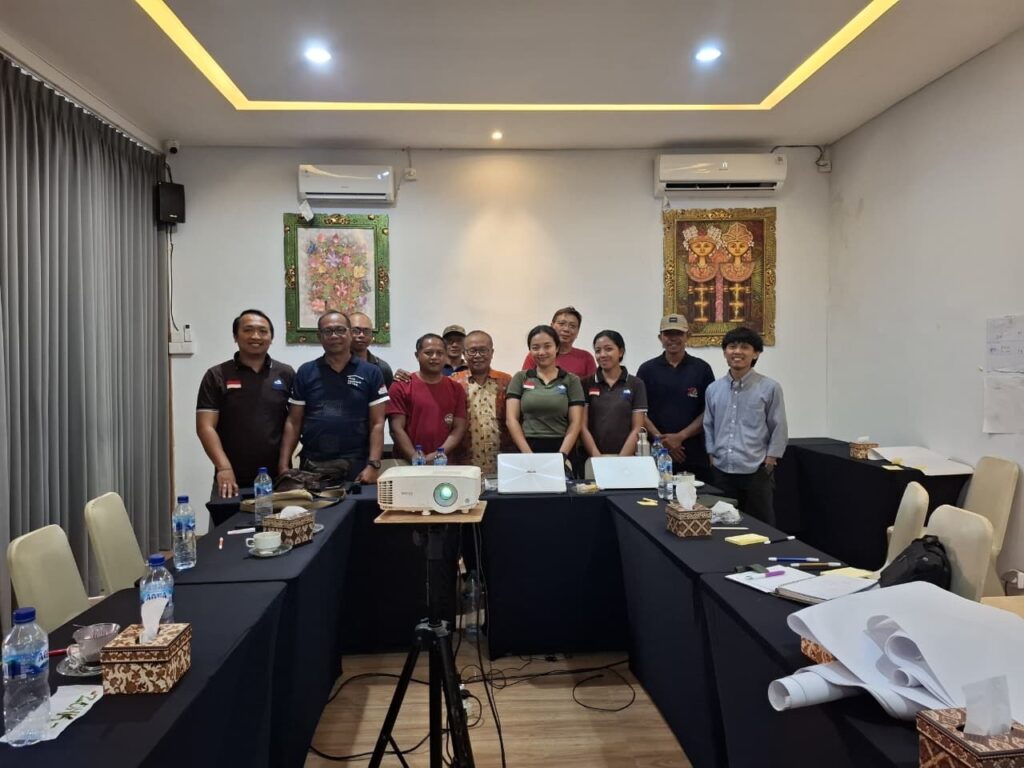
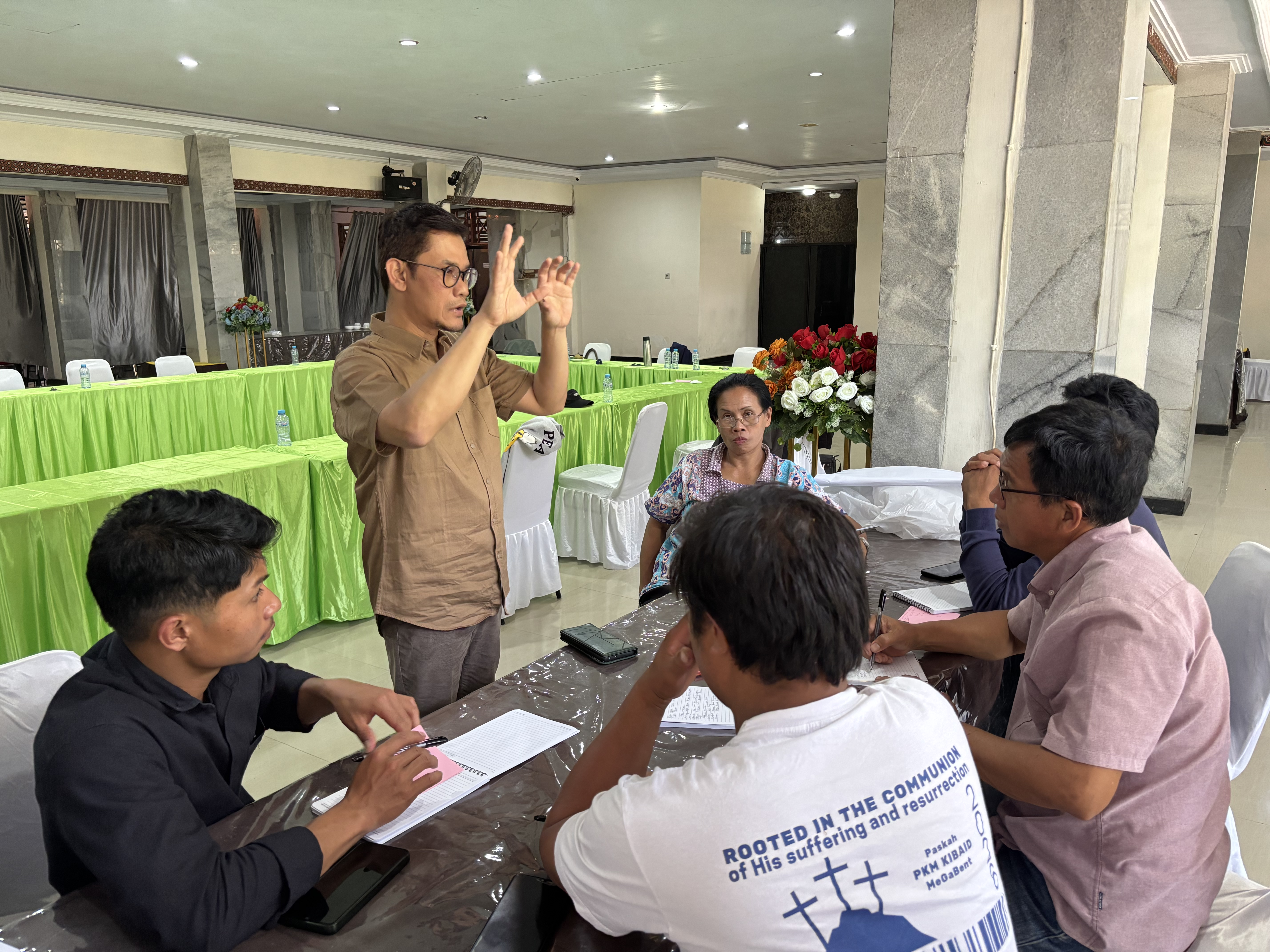
In late September and early October 2026, Progreso facilitated governance and business-planning workshops with two partner cooperatives: Mitra Petani Toraja (MPT) in South Sulawesi and Koperasi Manik Amerta Buana (MAB) in Bali. Bringing together board members, supervisors, managers and farmers, the workshops helped participants define their ambitions and identify priorities for the coming years.
Turning ambitions into concrete goals
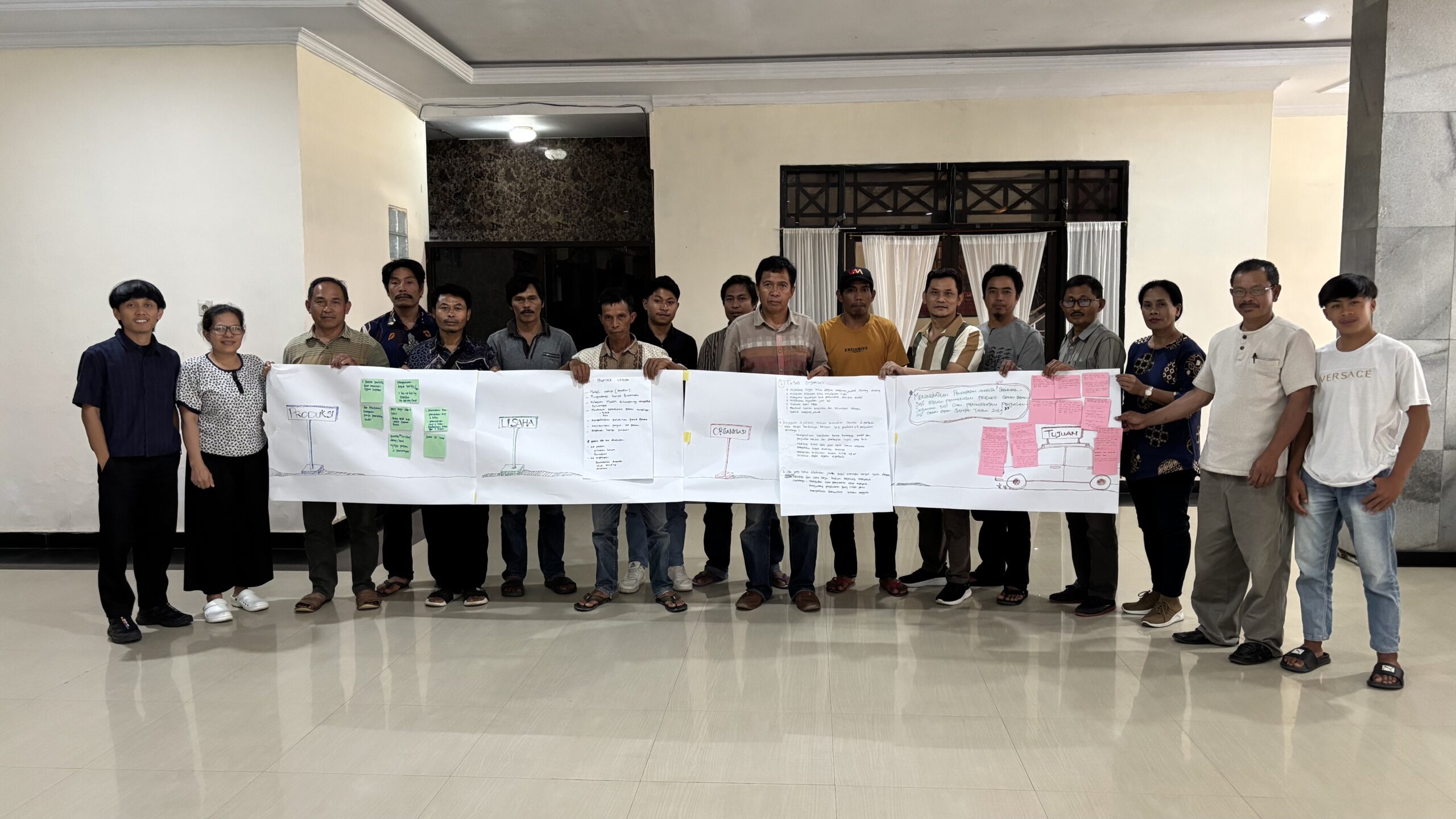
Participants worked together to establish shared goals for their cooperatives. For MPT, the ambition is to increase active members’ income by 30% by 2029, supported by a 30% increase in green bean production and a 10% increase in green bean sales. Priorities in its draft business plan include strengthening cooperative governance and member services, establishing an input-supply unit and developing a coffee nursery. In Bali, MAB set a goal of improving members’ welfare through stronger collective cocoa marketing, with members increasing dried cocoa production by 20 tonnes by 2029. Its proposed priorities include strengthening relationships with regular buyers, improving production capacity and developing clearer internal procedures.
From planning to implementation
Both workshops addressed three areas: institutional development, business operations and production. Participants identified priority activities, discussed implementation responsibilities and began preparing budgets. MPT developed a draft business plan and a 2027 budget with activities, timelines and assigned responsibilities. MAB developed its draft business plan for 2027–2029 and began preparing its 2027 budget, with further coaching planned to complete the process.
Both business plans are still being finalized and will be submitted for approval at their respective Annual Members Meetings (RAT). Once approved, they will guide the cooperatives’ activities over the coming years. As MAB participant Made Sukarta reflected: “We now understand better how to prepare the cooperative’s business plan and budget so that our business is more directed going forward. We hope what we have drawn up can truly be carried out.”
Strengthening the foundations for growth
Putting business plans into practice also requires clear roles and effective internal procedures. Both cooperatives are currently finalizing institutional Standard Operating Procedures (SOPs) to strengthen their organizational and operational management.
Through participatory workshops and continued coaching, Progreso supports coffee and cocoa producer organizations in developing the management capacity needed to implement their plans and work towards improved member livelihoods.
