


The answer, for most, is: more than they currently have. Not more ambition. Not more cocoa. More structure, more documentation, and a clearer picture of their own business than most have ever been asked to produce.
That gap, between how cooperatives operate and what financial systems require, is what brought seven cooperatives together in late April for a two-day training on business planning and financial management. They came from across the archipelago: Jembrana and Tabanan in Bali, Ende in Flores, and Poso, Luwu Utara, Kolaka Timur, and Sikka in Sulawesi, all partners in TRACTION, a programme run by Rikolto Indonesia, Rainforest Alliance, and Kalimajari to improve livelihoods for small-scale cocoa farmers. Progreso was invited to deliver the training.
The cooperative model is not new to these communities. But the model only works if the people running it understand their numbers, and in many cases, that understanding is still being built.
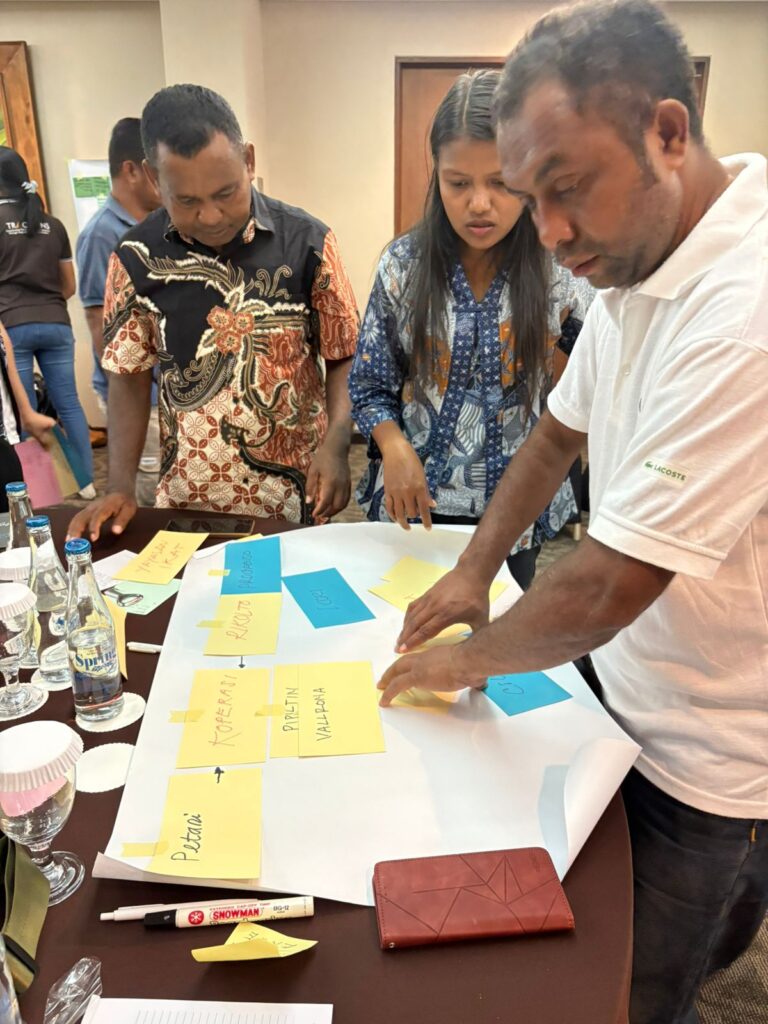
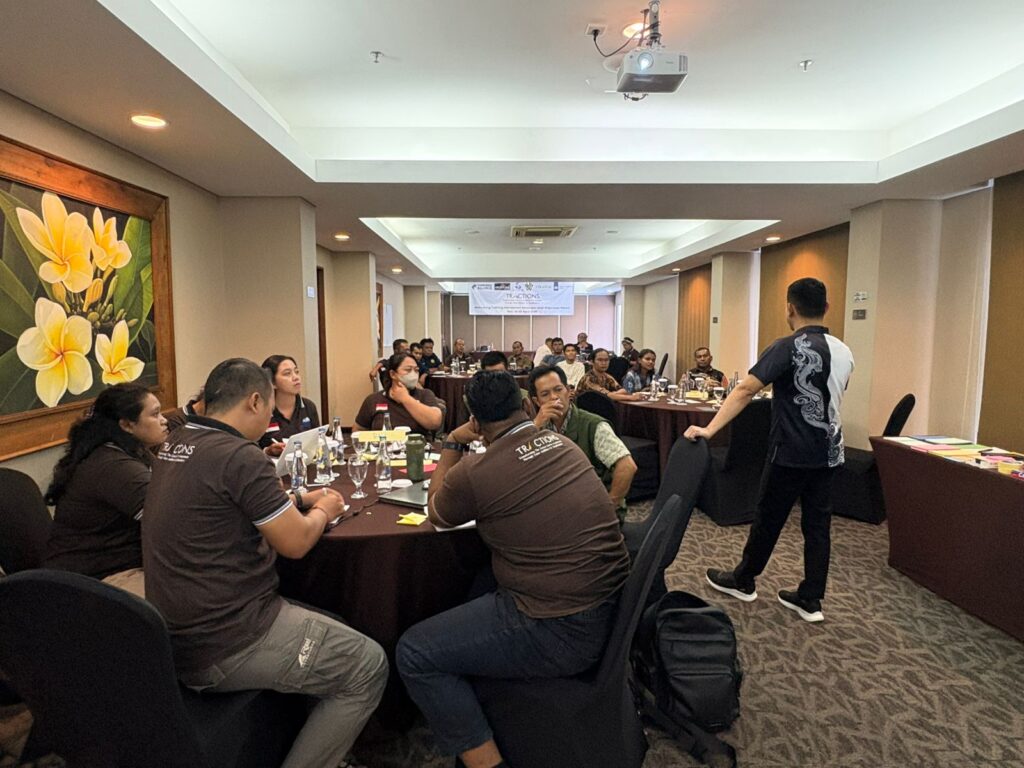
Erwin Novianto, Progreso’s Programme Manager for Indonesia, opened with business planning: not documents filed in a drawer, but working tools. Supply chain maps showing where value is created and where it leaks. Seasonal calendars tracking when cash pressure peaks. Risk assessments that make the invisible visible. Two cooperatives presented draft plans to the group, which opened up a conversation no slide deck fully anticipates. Someone observed, plainly, that the financial system is not built for cooperatives like theirs. The room agreed.
That observation is worth sitting with. Loan processes are complex, collateral requirements unrealistic, and even when financing comes through, the timing or amount often misses what a cooperative actually needs during buying season. The barrier is not always the availability of money, it is the mismatch between when cooperatives need it and what lenders require to say yes.
Siske Annisa, Progreso’s Financial and Business Adviser, led the financial management sessions: how operations show up in financial records, basic accounting, how to read what the figures actually mean for decisions. One thing surfaced clearly: most cooperatives will need ongoing coaching to get their reporting and administration where it needs to be. The training gave them a foundation. The work continues.
Every cooperative left with the beginnings of a business plan and a working knowledge of accounting they did not have before. That might sound modest. But for groups navigating a system not designed for them, having the language and tools to make their case is not a small thing, it is where the possibility of a different relationship with finance begins.