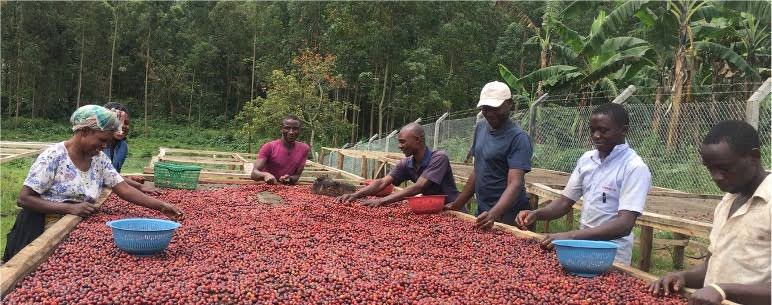
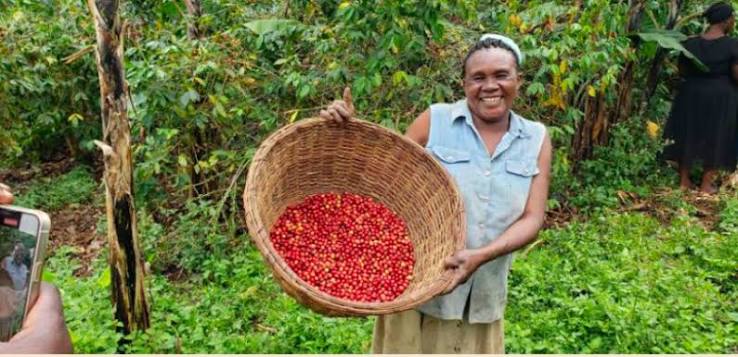
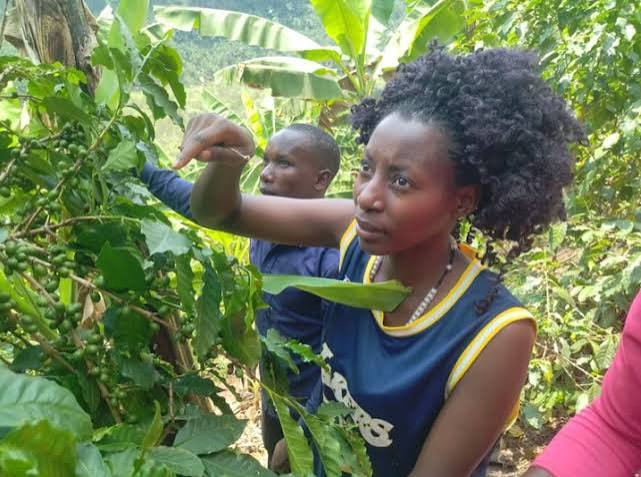
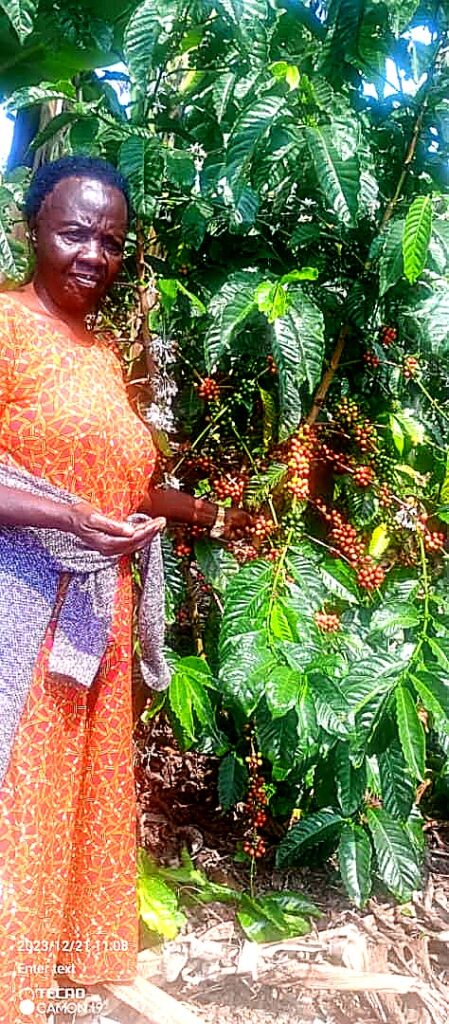
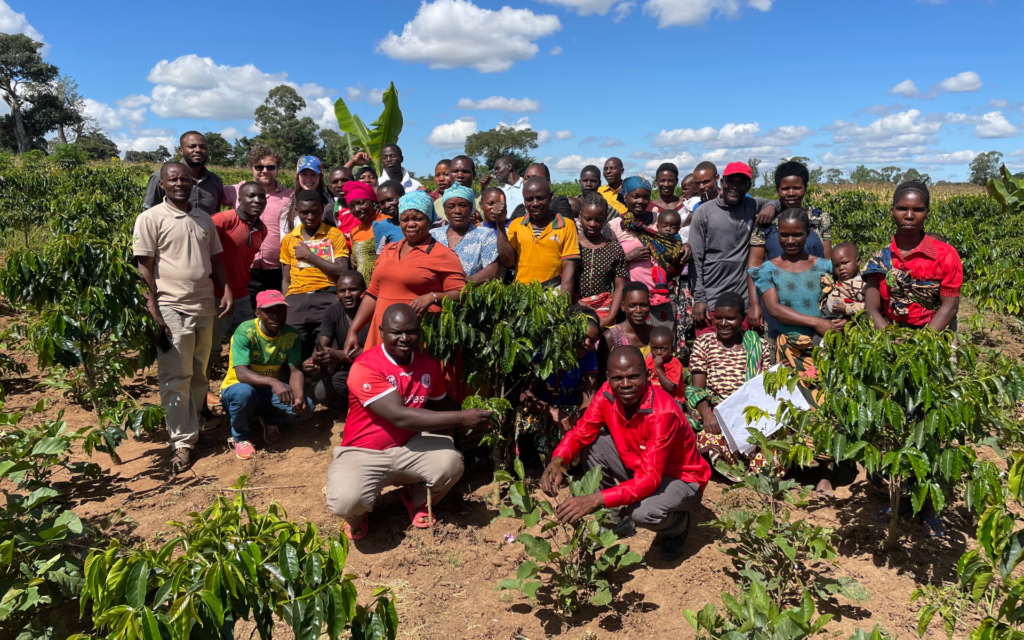
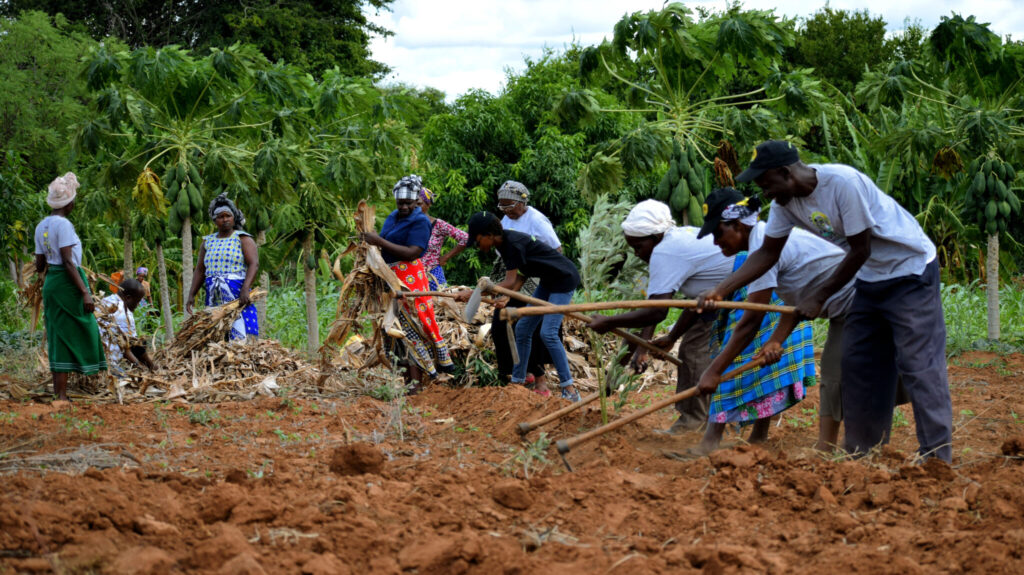
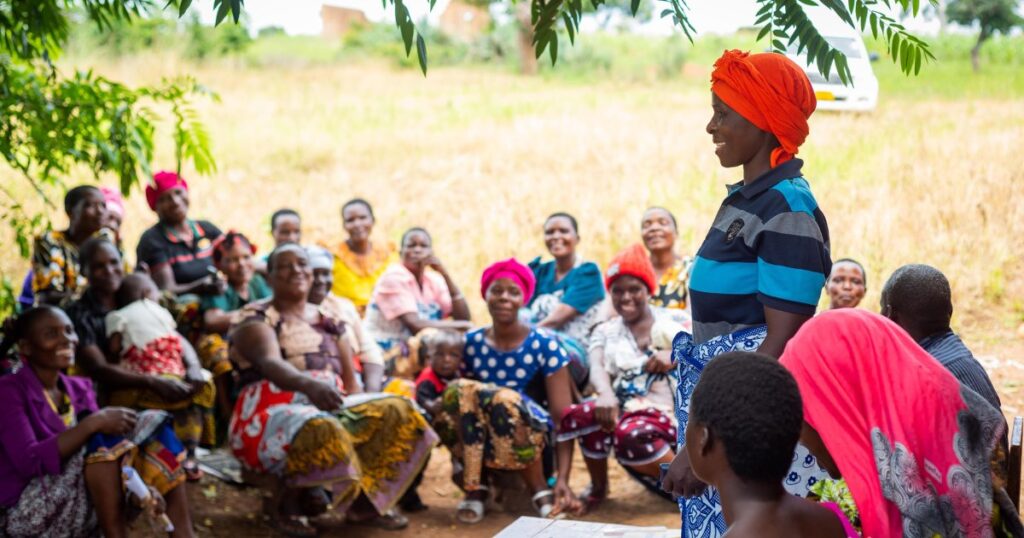
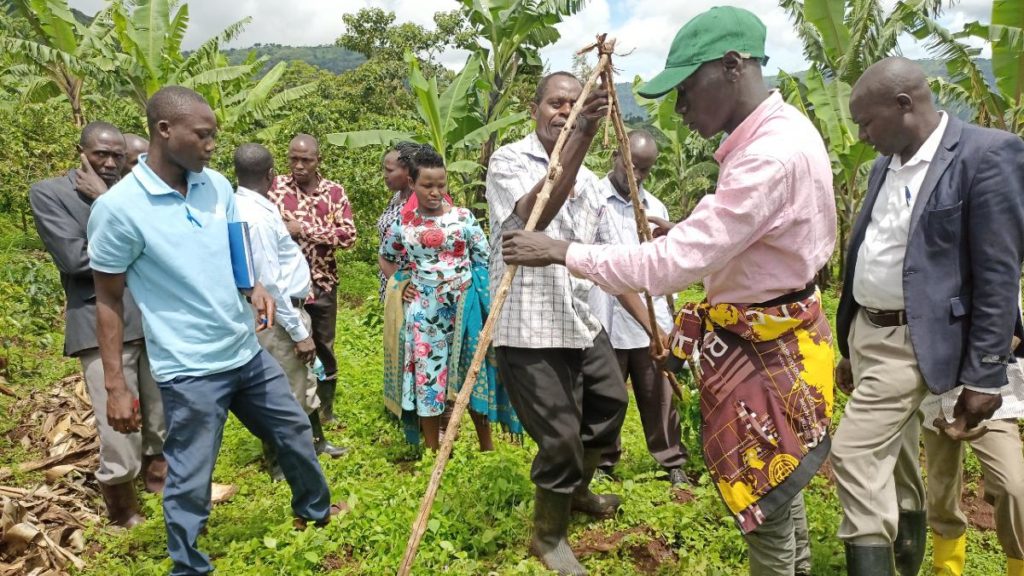
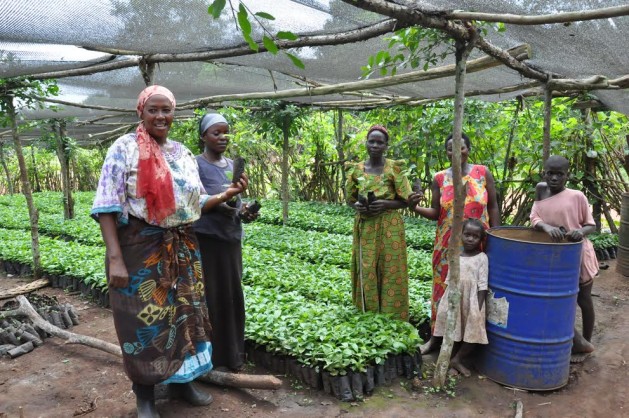
As we get closer to the December 2 Beyco V-Auction, we continue introducing the Ugandan cooperatives behind the coffees featured in the auction. This week, we head to the foothills of the Rwenzori Mountains to meet Rwenzori Organic Farmers Mountain Harvest Cooperative Society, better known as ROCS, a young cooperative working to connect smallholder farmers to specialty coffee markets.
Established in 2020 by farmers looking to improve coffee quality and access better markets, ROCS has grown to 1,025 members. The cooperative is now focused on building the capacity and infrastructure needed to take the next step in its development.
Its ambitions are clear. By 2028, ROCS aims to grow its membership to 2,000 farmers and expand its network of coffee processing nano stations from three to ten. It is also working to strengthen savings initiatives, improve governance and explore opportunities to connect coffee production with tourism in the Rwenzori region.
Much of this development is driven by a young management team led by Alfred Kule. With limited financial resources, some team members have been contributing their time voluntarily as the cooperative works to establish its business and strengthen its operations.
ROCS has already started making its way into export markets. In 2025, the cooperative exported two containers through third-party exporters and sold another three locally. While it has the capacity to handle up to ten containers annually, access to trade finance and obtaining its own export licence remain important challenges.
Building on this experience, ROCS is now working towards a stronger and more independent position in the coffee market. Improving its capacity to export directly would help the cooperative establish closer connections with international buyers and ensure that more value reaches the farmers behind the coffee.
The cooperative’s coffees reflect their high-altitude origin in the Rwenzori Mountains, a region known for bright acidity, fruity flavours and lingering sweetness.
Quality. Ambition. Community.
The coffee you are tasting comes from a young cooperative of more than 1,000 farmers in the Rwenzori Mountains, building its export capacity and working to create better opportunities for its members. Discover ROCS coffee at the Beyco V-Auction on December 2, alongside coffees from other participating Ugandan cooperatives.
Good coffee is about more than the cup. Buyers also want to know where it comes from, who produces it and what makes a cooperative different. For six Rwandan coffee cooperatives, a communication training programme supported by Progreso Foundation has been an opportunity to strengthen how they share that story and build relationships with buyers.
Over the past year, Progreso´s communications specialist Manon Koningstein facilitated five training sessions, followed by a check-in on 12 October to reflect on what participants had put into practice and where they still needed support. The programme was shaped around the cooperatives’ own needs. An initial workshop and needs assessment highlighted challenges ranging from writing professional emails and communicating with international buyers to managing social media and presenting the cooperative through stories and online content. The sessions covered verbal and written communication, social media management, negotiation, professional correspondence and websites. The emphasis was on practical skills that cooperatives could apply in their everyday work.
Putting communication into practice
Our recent October check-in offered some encouraging examples of how participants were using what they had learned. One participant explained that he had become more aware of the need to keep communication with customers clear and relevant. Previously, he sometimes shared too much information without necessarily addressing what buyers wanted to know. By changing his approach, he felt he was getting better responses and had attracted interest from new potential buyers. One was planning a visit to the cooperative and discussing a possible initial purchase of around 200 kg of green coffee to test the market.
Another participant described how his cooperative had been working to organise farmer groups, including women and young people, and share more of their activities with buyers. He had also changed his own habits: where he might previously go several days without checking the cooperative’s email or social media, he now checks these channels much more regularly and responds more promptly. These examples show that improving communication does not always require sophisticated tools or large budgets. Clearer messages, more regular responses and a better understanding of what buyers want to know can already make a difference.
Keeping the conversation going
The discussion also highlighted a challenge that goes beyond finding new buyers: maintaining relationships between harvests. As Progreso’s Rwanda team pointed out, buyers may be in regular contact when coffee is available, but communication can fade once a shipment has been delivered. Staying in touch throughout the year helps keep relationships active and gives buyers a better understanding of the cooperative and its work.
There are many simple ways to do this. Updates about flowering coffee trees, ripening cherries, farmer groups or preparations for the next harvest can give buyers a glimpse of what is happening at origin, even when they are far away. The key is to share relevant information regularly, without overwhelming them. The check-in also brought up areas where cooperatives still need support, particularly developing content, taking and using photographs, managing websites and communicating with potential buyers. Some have websites that they cannot update themselves, meaning information can quickly become outdated.
Building on the progress
The training has given the cooperatives a starting point, but putting new communication practices into place takes time. The next step is therefore to understand what each cooperative needs most and provide more targeted support. Progreso’s Rwanda team is following up with the cooperatives to identify these priorities. Ultimately, good communication helps buyers see the people and work behind the coffee. For the cooperatives, the challenge now is to keep telling that story, and to make it part of how they build lasting relationships with the market.
Met steun van de Postcode Loterij werkt Progreso aan de verdere ontwikkeling van zijn organisatie en aan manieren om koffiecoöperaties beter te ondersteunen. Na drie jaar technische ondersteuning konden drie Rwandese koffiecoöperaties met financiering van Progreso een volgende stap zetten: hun koffie exporteren naar internationale markten.
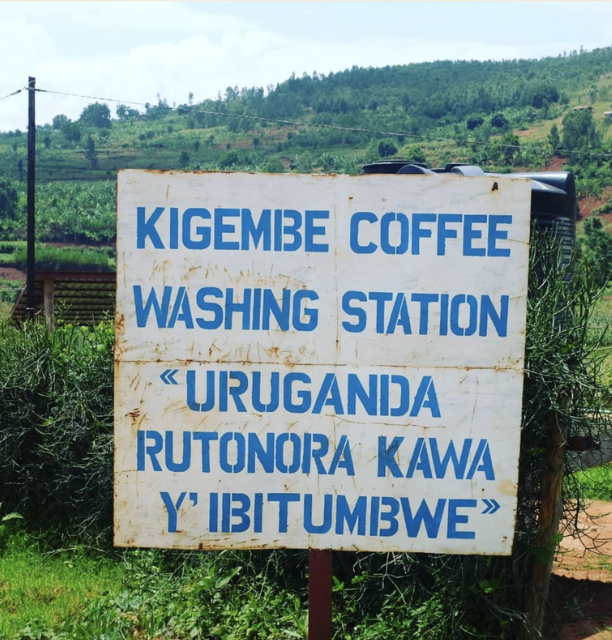
Voor Buhanga en Kigembe betekende dit hun eerste internationale koffie-export, met leveringen aan afnemers in het Verenigd Koninkrijk. Nyampinga, dat al internationaal exporteerde, kon zijn activiteiten verder uitbreiden. Inmiddels zijn alle drie de leningen volledig terugbetaald.
Van ondersteuning naar export
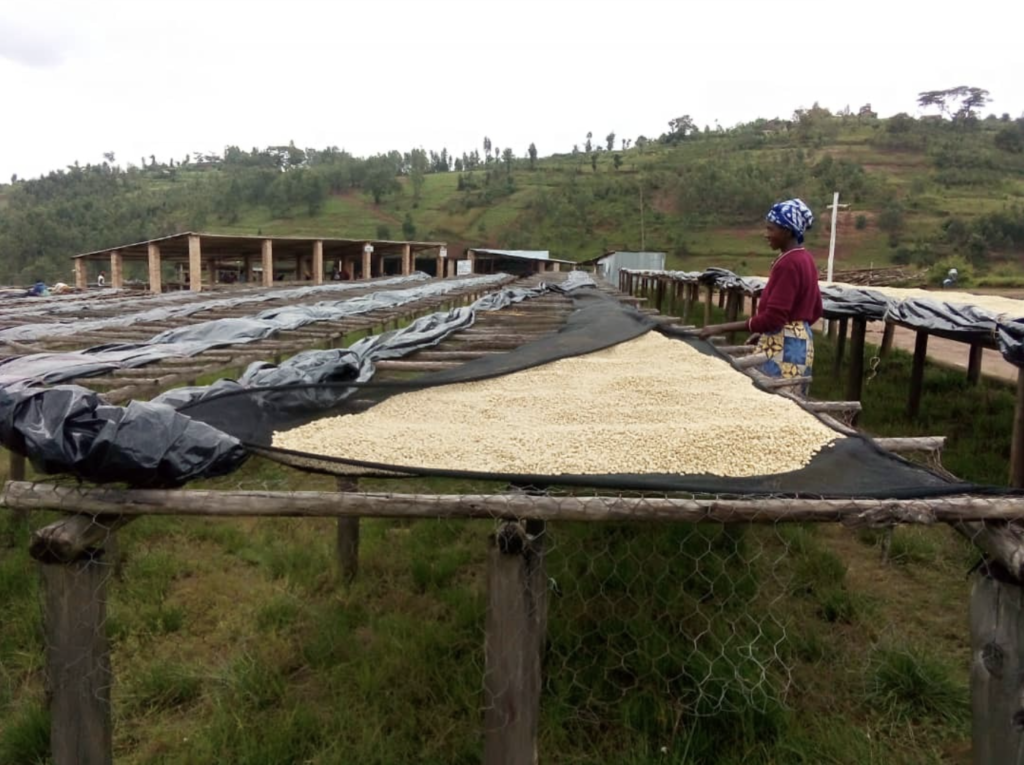
In het zuiden van Rwanda, in het district Gisagara, verbouwt Esperance Nyiransabimana koffie die ze levert aan Kigembe Cooperative. In 2025 leverde ze 4.000 kilogram rode koffiebessen aan het koffie-wasstation van de coöperatie, bijna twee keer zoveel als het jaar ervoor. Haar koffie bereikt inmiddels ook kopers ver buiten Rwanda. ‘Ik had nooit verwacht dat koffie van mijn boerderij gewaardeerd zou worden door mensen in Groot-Brittannië,’ vertelt ze.
De weg naar internationale export vraagt meer dan goede koffie. Coöperaties moeten voldoende koffie bij hun boerenleden kunnen inkopen, de verwerking en het transport kunnen betalen en aan afspraken met afnemers voldoen. De betaling van internationale kopers komt vaak pas later binnen. Zonder voldoende geld om deze kosten vooraf te dekken, is het moeilijk om grotere bestellingen aan te nemen en nieuwe markten te bedienen.
De technische ondersteuning van Progreso hielp de coöperaties hun bedrijfsvoering te versterken. Met de leningen konden Buhanga, Kigembe en Nyampinga vervolgens investeren in hun handelsactiviteiten en inspelen op kansen op de internationale markt.
Wat veranderde er voor de coöperaties?
Voor Buhanga en Kigembe resulteerde dit in hun eerste internationale koffie-exporten, met leveringen aan afnemers in het Verenigd Koninkrijk. Nyampinga had al ervaring met internationale handel en breidde zijn export verder uit: het aantal verscheepte containers steeg van één in 2023 naar drie in 2026. Ook de bedrijfsresultaten laten groei zien. Kigembe verdubbelde bijna zijn omzet tussen 2025 en 2026. Buhanga kocht in dezelfde periode ongeveer 65% meer rode koffiebessen in bij zijn boerenleden.
Deze resultaten laten zien hoe toegang tot financiering en internationale markten coöperaties kan helpen om hun handelsactiviteiten uit te breiden. Ze kunnen meer koffie van hun leden inkopen en nieuwe afzetmogelijkheden benutten.
Wat betekent dit voor boeren?
Voor boeren als Esperance maakt het verschil of hun coöperatie voldoende koffie kan inkopen en een goede prijs kan betalen. Bij Kigembe steeg de betaling aan boeren van USD 0,45 per kilogram rode koffiebessen in 2025 naar USD 0,74 in 2026. Dat is een stijging van ongeveer 64%. Een betere afzet voor de coöperatie kan zo ook nieuwe mogelijkheden bieden voor de boeren die hun koffie leveren. De resultaten van Buhanga, Kigembe en Nyampinga zijn een belangrijke stap, al verschillen de ervaringen en resultaten per coöperatie.
Progreso werkt in Rwanda met in totaal zes koffiecoöperaties, die samen meer dan 3.600 boeren vertegenwoordigen. De ervaringen met de eerste drie leningen bieden aanknopingspunten om ook de samenwerking met andere coöperaties verder te ontwikkelen.
Een basis om verder te bouwen
De drie leningen zijn inmiddels volledig terugbetaald. Daarmee zijn de eerste financieringsoperaties van Progreso in Rwanda afgerond. Voor de coöperaties betekent de toegang tot financiering dat ze beter kunnen inspelen op kansen op de internationale markt. Voor Progreso leveren deze ervaringen waardevolle inzichten op voor de verdere ontwikkeling van zijn ondersteuning aan koffiecoöperaties.
En voor boeren als Esperance begint de mogelijkheid om nieuwe markten te bereiken bij een coöperatie die hun koffie kan inkopen, afspraken met afnemers kan nakomen en nieuwe afzetmogelijkheden kan benutten.
Progreso has provided its first loans to three Rwandan coffee cooperatives. All three loans have been repaid in full, and for two of the cooperatives, the financing helped make something possible for the first time: exporting their own coffee internationally.
Buhanga, Kigembe and Nyampinga were the first three Rwandan coffee cooperatives to receive financing from Progreso. The loans helped strengthen their working capital, enabling them to purchase coffee from farmers, meet buyer contracts and pursue new market opportunities. For Buhanga and Kigembe, this support helped pave the way for their first international coffee exports, with shipments reaching buyers in the United Kingdom. Nyampinga, meanwhile, used the financing to expand its international exports, increasing shipments from one container in 2023 to three in 2026. The three cooperatives are part of a wider group of six Rwandan cooperatives supported by Progreso, representing more than 3,600 farmers.
From access to finance to access to markets
Coffee cooperatives need working capital to purchase coffee from farmers, cover processing and logistics costs, and meet buyers’ quality and documentation requirements before receiving payment for their exports. Access to finance helps bridge this gap. With the necessary funds available, cooperatives can purchase coffee from their members, fulfil orders and pursue opportunities in international markets.
The results are visible in the cooperatives’ business performance. Kigembe nearly doubled its sales between 2025 and 2026, while Buhanga increased the volume of red cherries purchased from farmers by around 65% over the same period. These developments reflect how access to finance and international markets can help cooperatives strengthen their businesses and create opportunities for their farmer members.
Better market access, better returns for farmers
Access to international markets has also brought better prices for farmers. In 2025, Buhanga and Kigembe sold their coffee on the domestic market, where green coffee fetched USD 4.74 per kilogram. In 2026, they accessed international markets, where the price reached USD 7.10 per kilogram. At Kigembe, the price paid to farmers increased from USD 0.45 to USD 0.74 per kilogram of red cherries between 2025 and 2026. For farmers, higher payments can make a tangible difference to household incomes and the ability to invest in their families and farms.
Esperance Nyiransabimana, a coffee farmer supplying Kigembe Cooperative, increased the volume of red cherries she delivered to the cooperative’s coffee washing station from 2,257 kilograms in 2024 to 4,000 kilograms in 2025.
“I never expected that coffee from my farm would be appreciated by people in Britain,” she explained.
Her experience illustrates how stronger cooperatives and improved market access can create opportunities for farmers to increase their production and benefit from the coffee they grow.
A foundation for continued growth
All three loans have been repaid in full, marking a positive first step for Progreso’s financing operations in Rwanda. These first operations provide a foundation for continued collaboration with cooperatives as they strengthen their businesses, develop market relationships and create opportunities for the farmers they represent.
For Buhanga and Kigembe, the financing helped open the door to international exports. For Nyampinga, it supported the expansion of existing export activities. Together, these experiences demonstrate how access to finance, combined with market opportunities, can help cooperatives build stronger businesses and deliver greater value to their farmer members.
As we get closer to the December 2 Beyco V-Auction, we are introducing the Ugandan cooperatives behind the coffees featured in the auction. This week, we go over to the green hills of Ibanda in Western Uganda to meet Nyamirima Mutegaya Cooperative Society, a young exporter building its place in the coffee sector with a clear focus on its people.
Although still a relatively new exporter, the cooperative is already reaching international markets. At the centre of its development is Jane Kafura, its General Manager, who leads a management team of young women and men working together to grow the business.
For Nyamirima, growth is about more than increasing coffee sales. The cooperative is committed to creating opportunities within its community, strengthening people’s skills and building a business in which members and employees can develop alongside the organisation.
Young people play an active role in the cooperative’s management and daily operations. Rather than simply preparing them to become the next generation of farmers, Nyamirima gives young staff opportunities to take on responsibility, contribute ideas and develop the skills and confidence to shape the cooperative’s future. Women also have an important role in its leadership. Jane’s position as General Manager reflects the cooperative’s commitment to creating space for women to influence decisions and contribute to the development of the business.
As Nyamirima expands its coffee exports, its ambition goes beyond reaching new markets. It is working to build a cooperative that creates opportunities for farmers, develops young talent and strengthens the communities around it. he coffee you are tasting comes from a young cooperative in Ibanda that is investing in its people as it builds its future in Uganda’s coffee sector. Discover Nyamirima’s coffee at the Beyco V-Auction on December 2, alongside coffees from other participating Ugandan cooperatives.
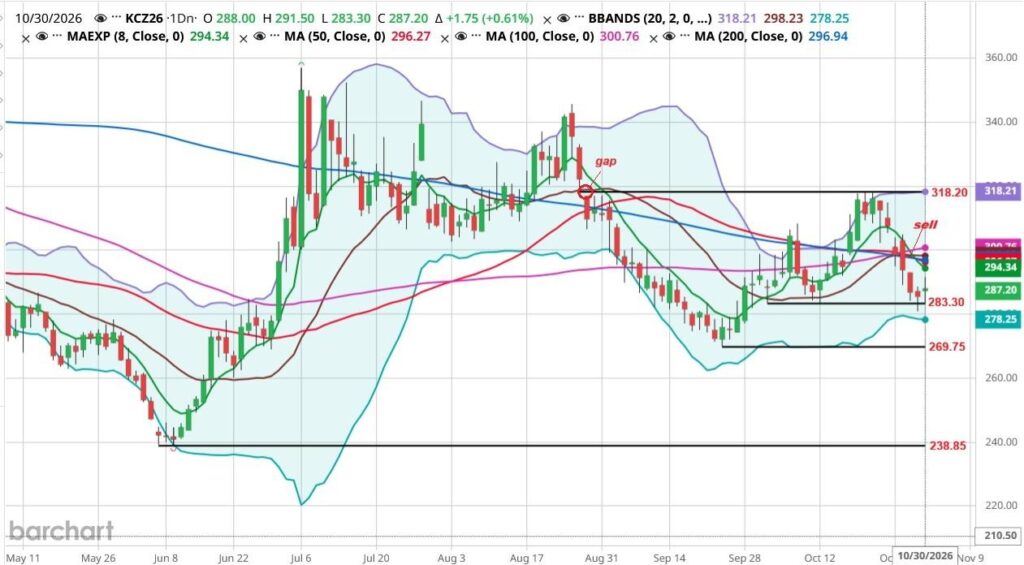
El pecio de café en Nueva York entró en una montaña rusa desde hace rato, alternando mínimos y máximos entre 269.75 y 317.90, un rango de casi 50 centavos, para por lo pronto terminar en 287.20 centavos el viernes.
La racha para abajo en la última semana fue debido al resultado de las elecciones presidenciales en Brasil, que ganó el presidente Lula da Silva, donde muchos habían esperado que ganara Flavio Bolsonaro, que estuvo arriba en la primera ronda. Ganó la democracia, perdió la economía. El mercado financiero reaccionó negativamente, haciendo bajar la paridad del real brasileño con el dólar americano.
La tasa de cambio brincó de 5 a 5.4 reales por dólar, lo que incentivó a productores y exportadores a vender y fijar mucho café, haciendo bajar el precio en la bolsa de Nueva York. Las exportaciones de octubre en Brasil subieron fuertemente según cifras provisionales de Cecafé. Sin embargo, no influye mucho todavía en los inventarios certificados en la bolsa y por ende tampoco en la formación del precio.
Los descuentos para posiciones futuras se han abierto de nuevo un poco más, por lo que el mercado continua por lo pronto en posición de backwardation (ver el blog del 18 de octubre ¿Fin del backwardation?).
El precio subió ligeramente el viernes (+1.75), pero la candela es prácticamente un doji, quiere decir el mercado está indeciso si subir o bajar el precio. El jueves dio señal de venta (sell) y el precio ha caído debajo de los promedios móviles de 50, 100 y 200 días (todos en el rango de 296-301), que indica que una tendencia a la baja. Pisos importantes están justo debajo de 270 y 240.
Soportes: 299.95 (MA50), 292.60, 283.50, 280.80, 269.75, 260.15 y 238.85. Resistencias: 298.25 (eje), 304.90, 317.00-319.80 (gap) y 333.05.
En el Commitment of Traders report del viernes muestra que el sentimiento en la bolsa de Nueva York estuvo un poco más animado, pero con la baja del precio esta semana se puede esperar una tendencia contraria en el próximo reporte.
El interés abierto de futuros y opciones combinados subió 17,614 contratos de 201,085 a 218,699. El interés abierto de solo futuros subió igual que la quincena pasada, de 166,525 a 170,306 el jueves pasado, un aumento de 3,781 contratos. El volumen diario promedió un poco menos de 40 mil sacos.
La posición de los fondos primero se redujo 2,678 contratos de 3,697 a 1,019 neto corto. Los spreads, que reflejan el grado en que cada operador no comercial mantiene posiciones largas y cortas combinadas, subieron 15,096 contratos de 69,336 a 84,432, reflejando que muchos fondos no se han decidido si quieren agregar más largos o más cortos.
La posición larga de los comerciales quedó prácticamente igual, de 59,679 a 59,644. La posición corta de los comerciales primero subió de 91,170 a 97,650 (la semana en que subió el precio), pero luego bajó a 94,699 (la semana en que empezó a bajar el precio).
Poco cambio en la posición de los fondos de índice, aumentaron su posición neta larga con 380 contratos de 34,518 a 34,898.
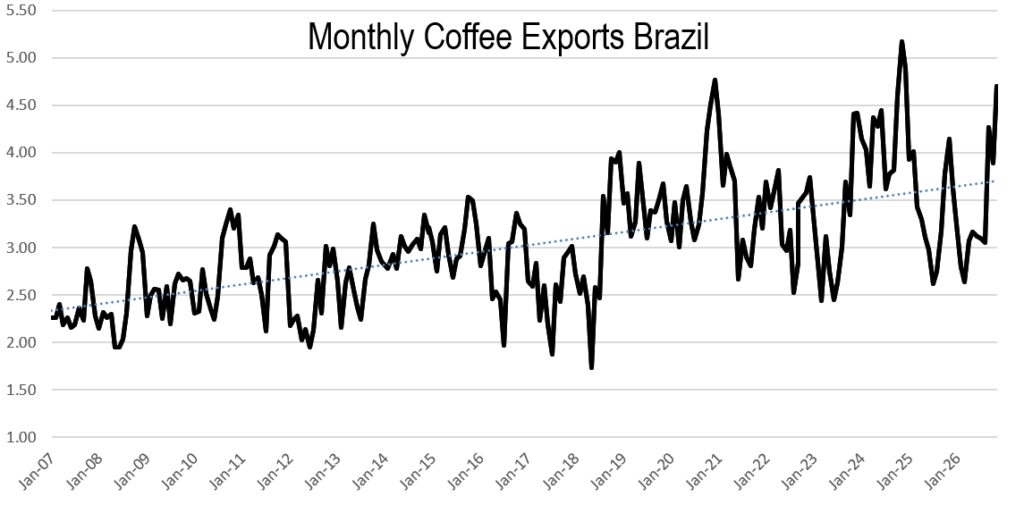
Las exportaciones de café de Brasil han aumentado a 4.7 millones de sacos en octubre, según cifras preliminares de Cecafé, 21% más que en septiembre y 13% más que en octubre del año pasado. Es el tercer nivel más alto desde octubre 2024 (5.2 millones) y noviembre 2020 (4.8 millones). Las cifras definitivas después de cerrar los registros suelen ser más altas.
El gráfico muestra una clara tendencia al alza en el volumen mensual de las exportaciones de café, de un promedio de menos de 2.5 millones de sacos hace 20 años a 3.5 millones en este momento. Por año es un momento del 50% o 14 millones de sacos, de 28 millones a un promedio de 42 millones en los últimos 5 años.
El aumento de las exportaciones continuará y se reforzará en el corto plazo, juzgando por la a emisión de certificados de origen: 5.2 millones de sacos en octubre, 28% más que los 4.1 millones en octubre 2025 y en septiembre pasado.
En algún momento este café también llegará a los almacenes de la bolsa de Nueva York y comenzará a presionará sobre el precio. Más del 80% de los 225 mil sacos al viernes está en Europa, sobre todo en Amberes. Brasil representa el 37% de este volumen con 83 mil sacos y hay 47.5 mil sacos pendientes de certificar.
El café de Brasil puede llegar a Europa en un mínimo de 20 días, valuar y certificarlo puede tomar varias semanas si es mucho volumen. Quiere decir que en dos meses a partir de ahora la situación podría ser muy diferente. El volumen a certificarse dependerá también de los diferenciales para café lavado y semi-lavado de Brasil (en Nueva York el diferencial es -6) y de los premios para la primera posición sobre posiciones futuras.
Las exportaciones de Vietnam en septiembre han subido 53% comparado con el año pasado. El volumen exportado en 2025/26 fue de 33 millones de sacos, más que la producción de 30+ millones. Quiere decir que Vietnam ha estado soltando inventarios de cosechas anteriores.
Los inventarios certificados de Robusta en la bolsa de Londres han aumentado considerablemente en octubre a más de 1.1 millones de sacos y el precio ha bajado a cerca de 3,200 dólares por tonelada, el nivel más bajo desde principios de 2024. El arbitraje con café Arábica anda por 120-130 cts/lb, lo que es un incentivo para los tostadores de cambiar las mezclas y aumentar el porcentaje de Robusta.
Jos Algra es consultor internacional con más de 40 años de experiencia en café y trabajar con organizaciones de productores.
The price of coffee in New York has been on a rollercoaster ride for some time now, fluctuating between lows and highs between 269.75 and 317.90, a range of almost 50 cents, before finally closing at 287.20 cents on Friday.
The downward trend over the past week was due to the outcome of the presidential elections in Brazil, which was won by President Lula da Silva, where many had expected Flavio Bolsonaro, who was ahead in the first round, to win. Democracy won, the economy lost. The financial market reacted negatively, causing the Brazilian real to fall against the US dollar.
The exchange rate jumped from 5 to 5.4 reais per dollar, which incentivised producers and exporters to sell and fix large quantities of coffee, driving down the price on the New York Coffee Exchange. October exports in Brazil rose sharply, according to preliminary figures from Cecafé. However, it doesn’t yet significantly influence the certified inventories on the exchange, and therefore not influence the price formation.
Discounts for futures positions have widened slightly again, so the market remains in backwardation for the time being (see the October 18 blog post, The end of backwardation?).
The price rose slightly on Friday (+1.75), but the candlestick is practically a doji, meaning the market is undecided about whether to move the price up or down. On Thursday, it gave a sell signal, and the price has fallen below the 50, 100, and 200-day moving averages (all in the 296-301 range), indicating a downward trend. Key support levels are just below 270 and 240.
Support: 299.95 (MA50), 292.60, 283.50, 280.80, 269.75, 260.15, and 238.85. Resistance: 298.25 (pivot), 304.90, 317.00-319.80 (gap), and 333.05.
The Commitment of Traders report on Friday shows that sentiment on the New York Exchange was slightly more upbeat, but with the price decline this week, a reversal of this trend can be expected in the next report.
Combined futures and options Open Interest rose 17,614 contracts, from 201,085 to 218,699. Futures-only Open Interest rose like the previous two weeks, from 166,525 to 170,306 last Thursday, an increase of 3,781 contracts. Daily volume averaged slightly less than 40 thousand bags.
The net short position of funds first decreased by 2,678 contracts, from 3,697 to 1,019. The Spreads, which reflect the degree to which each non-commercial trader holds combined long and short positions, increased by 15,096 contracts, from 69,336 to 84,432, reflecting that many funds have not yet decided whether to add more long or short positions.
The long position of commercials remained virtually unchanged, from 59,679 to 59,644. The short position of commercials initially increased from 91,170 to 97,650 (the week of the price rise), but then decreased to 94,699 (the week the price began to fall).
There was little change in the position of Index Funds, they increased their net long position by 380 contracts, from 34,518 to 34,898.
Brazilian coffee exports rose to 4.7 million bags in October, according to preliminary figures from Cecafé, 21% higher than in September and 13% higher than in October of last year. This is the third highest level since October 2024 (5.2 million) and November 2020 (4.8 million). Final figures, after the closing of registration, are usually higher.
The chart shows a clear upward trend in the monthly volume of coffee exports, from an average of less than 2.5 million bags 20 years ago to 3.5 million currently. Annually, this represents a 50% increase, or 14 million bags, from 28 million to an average of 42 million over the last five years.
The increase in exports will continue and strengthen in the short term, judging by the issuance of certificates of origin: 5.2 million bags in October, 28% more than the 4.1 million in October 2025 and last September.
At some point, this coffee will also reach the warehouses of the New York Futures Market and will begin to put pressure on the price. More than 80% of the 225 thousand bags as of Friday are in Europe, mainly in Antwerp. Brazil represents 37% of this volume with 83 thousand bags, and there are 47.5 thousand bags pending grading.
Brazilian coffee can reach Europe in a minimum of 20 days; valuing and certifying it can take several weeks if the volume is large. This means that in two months from now, the situation could be very different. The volume to be certified will also depend on the differentials for washed and semi-washed Brazilian coffee (in New York, the differential is -6) and on the premiums for the first position over future positions.
Vietnam’s coffee exports in September were up 53% compared to last year. Export volume in 2025/26 was 33 million bags, exceeding production of over 30 million bags. This suggests that Vietnam has been clearing out stocks from previous harvests.
Certified Robusta stocks on the London Futures Market increased significantly in October to over 1.1 million bags, and the price fell to around 3,200 dollars per tonne, the lowest level since early 2024. Arbitrage with Arabica coffee is currently around 120-130 cents/lb, incentivising roasters to change their blends and increase the percentage of Robusta.
Jos Algra is an international consultant with more than 40 years of experience in coffee and working with producer organisations.
This blog was originally published in Spanish in Claase:
In the hills of Manafwa District in Eastern Uganda, 1,012 coffee farmers are working together through Butta Farmers’ Cooperative Society to improve coffee production and strengthen their livelihoods. Through its Wonder Farms initiative, the cooperative promotes regenerative farming practices, including planting improved coffee varieties, producing natural fertilisers and using manure to improve soil health. It is also raising 10,000 coffee seedlings in its nursery.
Many farmers rely on resources readily available on their farms. Cow dung, urine, ash and tithonia are used to make natural fertilisers, while 80% of Butta’s certified farmers own cows that provide manure for their coffee trees. The cooperative aims to increase productivity to 2 kg of parchment coffee per tree. To support farmers in reaching this target, it encourages improved farming practices and recognises progress through Bronze, Silver and Gold categories.
Organic farming is another focus. Butta has 300 certified organic farmers, with a further 300 in the conversion process. The cooperative is also working to strengthen the participation of women and young farmers, including 82 women members.
Beyond farming practices, Butta supports its members through a savings and credit cooperative (SACCO), which provides access to loans for farm investments and other needs. Tools such as pruning saws and secateurs help farmers apply improved practices in the field. Together, these services aim to help farmers increase production, improve their incomes and invest in the future of their farms and families.
The coffee you are tasting comes from Butta’s farmers in Manafwa, whose efforts to improve soil health, farming practices and productivity are helping shape a more sustainable future for coffee production in Eastern Uganda.
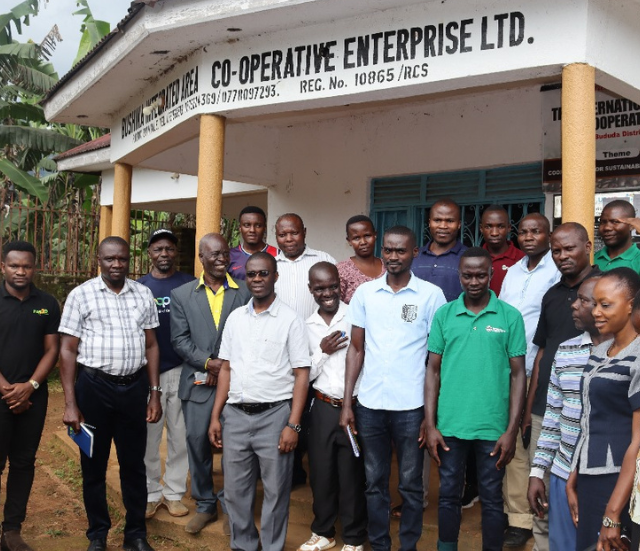
On the slopes of Mount Elgon in eastern Uganda, Arabica coffee grows at altitudes of 1,500–2,300 metres above sea level. For the Bushika Integrated Area Cooperative Enterprise (BIACE), the challenge is not only to produce quality coffee, but also to create greater value for the farmers who grow it.
BIACE is a farmer-owned cooperative based in Bududa District, bringing together smallholder farmers through a network of primary cooperatives. Its work focuses on improving coffee production, strengthening collective marketing and opening doors to higher-value markets.
Building value from farm to buyer
The cooperative’s commitment to quality is reflected in its approach to processing and marketing. BIACE works with Arabica varieties including SL14, SL28 and Nyasaland, and processes coffee for export. Its approach combines quality improvement with traceability, helping connect coffee from farmers’ fields to buyers.
For the 2 December 2026 Beyco Uganda Coffee Auction, BIACE is presenting Bududa Slopes Natural, a naturally processed Arabica lot grown on Mount Elgon’s volcanic soils. The auction profile describes a cup with citrus and red berry notes, a bold, juicy body and a balanced finish. Grown at high altitude and prepared using a parabolic drier, the lot offers buyers a taste of the region’s coffee and an opportunity to discover BIACE as a sourcing partner.
Coffee, trees and diversified livelihoods
Coffee is central to BIACE’s work, but it is part of a broader vision for rural livelihoods. The cooperative and its farmers have planted more than two million trees, supporting agroforestry and environmental conservation around Mount Elgon. BIACE also promotes beekeeping and organic honey production, alongside dairy and banana wine enterprises, to diversify income beyond coffee.
These activities reflect a practical approach to resilience: strengthening coffee production while supporting other enterprises that can contribute to household incomes and local economic opportunities.
Connecting producers with new markets
Through the Beyco auction, BIACE can showcase a specific coffee lot to international buyers and explore new commercial relationships. For buyers, it is an opportunity to discover coffee from Mount Elgon while learning more about the cooperative and the farmers behind it.
The auction is more than a chance to taste a new coffee. It is a step towards connecting producer organizations with buyers who value quality, traceability and the people and landscapes behind each lot.
El pecio de café en Nueva York tuvo un fuerte impulso el 6 de octubre, subiendo 11.40 centavos para cerrar en 304.45. El día siguiente subió más, hasta 308.35, pero luego se desplomó y cerró en 292.70. En los siguientes días tocó fondo en 283.30, pero en esta semana volvió a subir, destacándose el viernes, cuando llegó a 311.30 y cerró en 305.60, un aumento de 10.80 centavos en el día.
Inicialmente el pecio aumentó por la preocupación por el impacto que el “Súper El Niño” puede tener en la producción de café en países importantes como Brasil, Vietnam e Indonesia a finales de este año.
A eso se agregó el fortalecimiento del real brasileño ante el dólar, porque el candidato de la derecha Flavio Bolsonaro – hijo de Jair Bolsonaro, el expresidente que está preso por un intento de golpe de estado – llevó ventaja sobre el actual presidente Lula da Silva en la primera ronda de las elecciones presidenciales. El fortalecimiento del real frena las ventas para las exportaciones por parte de los productores.
Luego el sentimiento cambió ante la perspectiva de un fuerte aumento de las exportaciones en esta cosecha y de la oferta de café en la próxima temporada en Brasil.
El viernes de la semana pasada la Federación Nacional de Cafeteros FNC de Colombia reportó una baja sensible en la producción y las exportaciones de café en el ciclo 2025/26. Esta noticia impulsó el aumento del precio en esta semana.
El jueves una baja del precio, pero el viernes un fuerte aumento por la renovada preocupación por el impacto de El Niño. El ministerio de agricultura de Vietnam expresó que Vietnam puede sufrir de una fuerte sequía al final de 2026 e inicio de 2027, cuando está en plena cosecha.
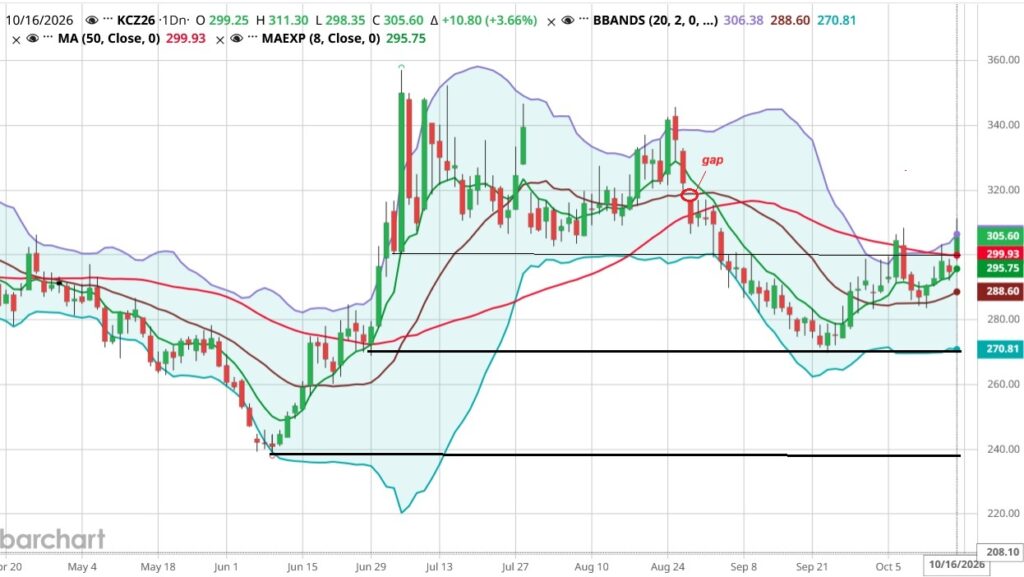
El precio ha roto la resistencia sicológica de 300 centavos y ha alcanzado un máximo de 311,30 el viernes. La siguiente resistencia es la brecha de 317.00-319.80 que quedó desde finales de agosto. El mercado sigue en modo de compra, pero está ligeramente sobrecomprado, lo que puede dar lugar a una corrección.
Además hay indicadores de que el backwardation podría llegar a su fin, lo que cambiaría el panorama del precio, como se argumenta más adelante.
Hacia abajo hay una serie de soportes, el primero el promedio móvil de 50 días en 299.95, que se ha superado el viernes, igual que el promedio móvil de 100 días en 296.15. Pisos importantes están justo debajo de 270 y 240.
Soportes: 299.95 (MA50), 292.60, 283.50, 269.75, 260.15 y 238.85. Resistencias: 311.30, 317.00-319.80 (gap) y 333.05.
En el Commitment of Traders report el interés abierto de futuros y opciones combinados subió primero de 197,518 hace 2 semanas a 208,283 la semana, pero luego bajó a 201,085, un aumento neto de 3,567 contratos. El interés abierto de solo futuros subió igual que la quincena pasada, de 157,890 a 166,525 el jueves pasado, un aumento de 8,635 contratos. El volumen diario promedió casi 33 mil contratos y repuntó el viernes con más de 53 mil.
La posición de los fondos primero se redujo de 3,493 a 1,160 neto corto, pero luego se amplió de nuevo a 3,697 neto corto, un cambio neto de -204. Los spreads, que reflejan el grado en que cada operador no comercial mantiene posiciones largas y cortas combinadas, subieron 1,873 contratos de 67,463 a 69,336.
La posición larga de los comerciales primero subió de 59,573 a 61,030, pero luego bajó a 59,679, un cambio neto de 106 contratos. La posición corta de los comerciales primero subió de 91,004 a 95,551, pero luego bajó a 91,170, un cambio neto de 166 contratos.
Los fondos de índice aumentaron su posición neta larga con 578 contratos de 33,943 a 34,518.
El sentimiento en la bolsa de Nueva York se sigue animando y con el aumento del precio en esta semana se espera un cambio importante en el Commitment of Traders report del próximo viernes.
Normalmente un mercado de futuros de una materia prima como café está en modo de contango, posiciones futuras tienen un premio para compensar el costo para cargar con el producto: bodegaje, seguro e intereses. En el caso de café en la historia reciente ese premio ha sido 2-3 centavos entre una posición y otra. La diferencia entre los precios por posición se conoce como spread.
En el blog del 8 de febrero de este año ¿Fin de la bonanza?he analizado como el mercado de café está en modo de backwardation, desde el 17 de octubre 2023, es decir el mercado está invertido, en vez de un premio hay un descuento para posiciones futuras. Las posiciones más cercanas tienen un premio debido a la escasez de café a corto plazo.
Esta situación atípica ya dura 775 días de mercado o 1,095 días calendarios (3 años) y es la más prolongada en la historia. El segundo período más prolongado fue de 1996-1998 con 527 días de mercado o 842 días calendarios.
Un mercado en backwardation es más difícil de manejar para el comercio y tiende a subir el nivel del precio en general debido a la escasez a corto plazo. Esta situación podría llegar a su fin en un futuro próximo, con que debería de bajar el nivel general del precio. La escasez de café en los últimos años se va a cambiar a un excedente de cerca de 10 millones de sacos, según los pronósticos. Este cambio en el balance entre oferta y demanda se está manifestando en los precios en la bolsa de Nueva York.
El descuento de la segunda posición en Nueva York (ahora marzo) sobre la primera posición (diciembre) se está reduciendo. De un máximo de 36.10 centavos todavía en agosto de este año, se ha bajado a 7-8 centavos en el último mes, desde que diciembre desplazó a septiembre como posición principal, aunque jueves-viernes volvió a subir a 10-11 centavos. El descuento sobre todo el año ha bajado de un máximo de 75.55 centavos a 15-16 centavos en promedio últimamente. Estos precios están reflejando un alivio sostenido en la escasez inmediata de café Arábica en el mercado físico.
CONAB en su último pronóstico de cosecha reporta 2.35 millones de hectáreas cultivadas con café, con un rendimiento promedio de 34.6 sacos de 60 kg por hectárea, una aumento de 13.8%. Además hay más de 400 mil hectáreas en formación. Esto da un potencial productivo 75–80 millones de sacos en 2027/28 y más de 90 millones hacia 2029/30.
El promedio de las estimaciones de cosecha 2026/27 en Brasil es 72-73 millones de sacos. Excluyendo las de CONAB (67.6 millones) e IBGE (66.8 millones), las fuentes que notoriamente subestiman el volumen de producción, el promedio es 73-74 millones de sacos. Sumando los inventarios iniciales de 7-8 millones, tenemos una oferta total de 79-82 millones de sacos.
Si le restamos el consumos doméstico de 22 millones, quedan 57-60 millones. Se espera que quedará un inventario final de 9-10 millones, entonces habrá una saldo exportable de 48-50 millones de sacos, contra un volumen exportado de 38.5 millones en el ciclo 2025/26, un aumento de 25-30% y arriba del récord de 47.4 millones en la cosecha 2023/24.
Esto va a pesar fuertemente sobre el precio de café en el mercado mundial. Lo que hay que monitorear es el volumen mensual de exportaciones, para ver cuánto café está efectivamente saliendo al mercado. 48-15 millones en la cosecha son 4-4.2 millones de sacos al mes. En lo que va de este ciclo (julio-septiembre) el promedio es 3.7 millones.
La Federación Nacional de Cafeteros de Colombia reporta una baja de la producción de 15% a 12.7 millones de sacos en la cosecha pasada, que va de octubre 2025 a septiembre 2026. Las exportaciones bajaron 12% a 11.8 millones de sacos.
Jos Algra es consultor internacional con más de 40 años de experiencia en café y trabajar con organizaciones de productores.